SUTD / Architecture and Sustainability Pillar Core 2 Studio 2019-2021
“ The Digital Archive “
Studio Coordinator: Eva Castro
“Today abstraction is no longer that of the map, the double, the mirror, or the concept. Simulation is no longer that of a territory, a referential being, or a substance. It is the generation by models of a real without origin or reality: a hyperreal. The territory no longer precedes the map, nor does it survive it”
—Jean Baudrillard*
*Baudrillard Jean, “Simulacra and Simulations”, tran. S.F. Glaser (The University of Michigan Press, 2006), p.1.
Architecture Core Studio 2 expands the scope of architectural problems to rather open up to the world of potentials and possibilities within a projective field: that is the responsibility to refute, to counteract and to respond, generating a critical discourse. If on the one hand we would argue that such stance implies first and foremost to attain a holistic and critical understanding of the world and the issues that future generations face —and to grasp how such issues can be affected by our actions within our disciplinary field, on the other hand it supposes the urgent development of techniques that can liberate thought from the local place –site, type & time, for making design-agency to care about the future, the universal conditions and to start grasping new notions that will inevitably lead to the invention of new forms of archive, production and inhabitation.
(Re)member, (re)collect, (re)construct: Museum of Memory
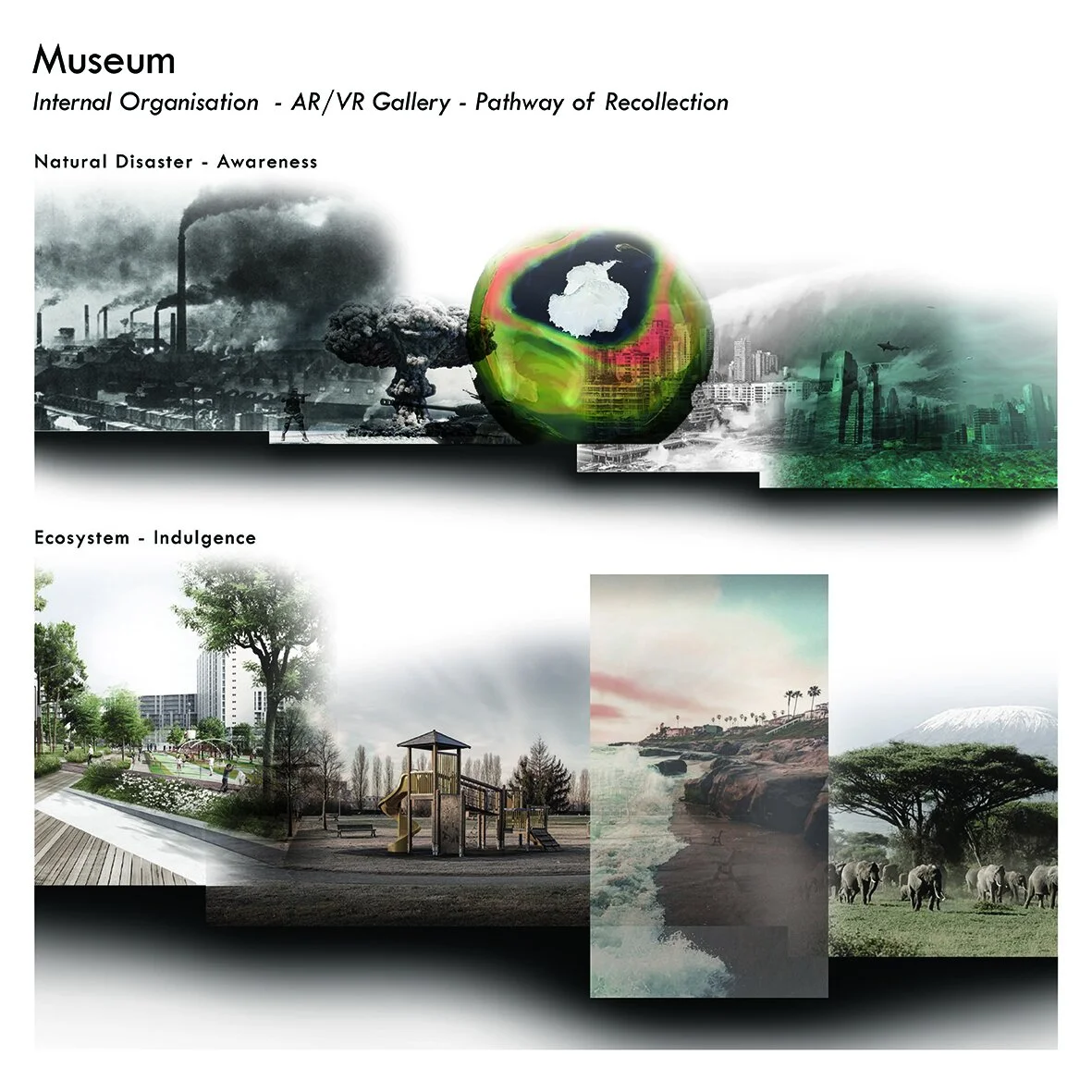
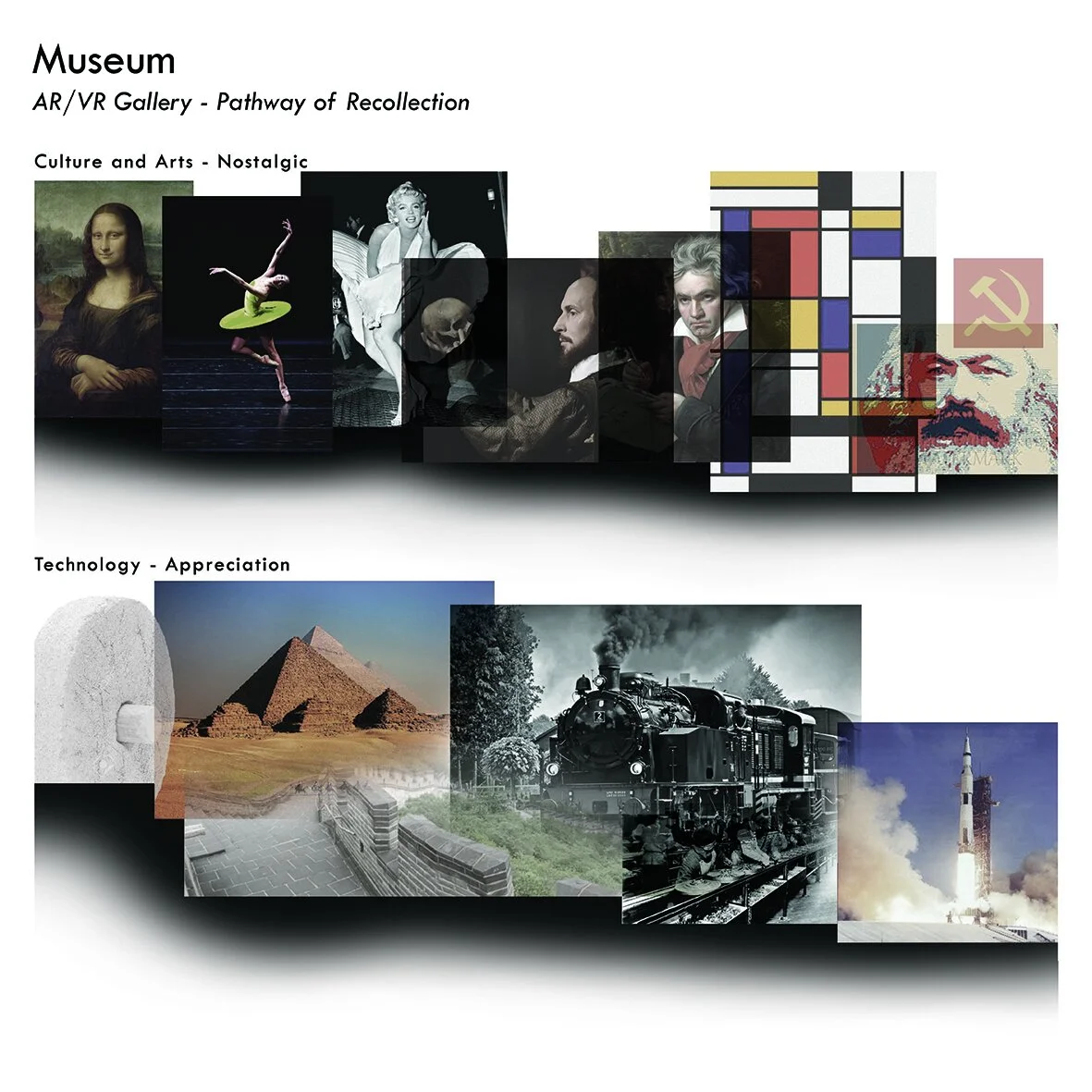
“Museum of Memory” is set in a future scenario where people will go to (re)member, (re)collect and (re)construct their ‘past’ in order to make meaning out of present and project to future. The project are a collective assemblage of memories of the society in the future, mostly focusing on the Environmental, Cultural and Psychological Aftermath of Climate Change in year 2200. They investigate current pressing environmental issues of today and their effects on the future civilisations and environment from a perspective of speculative narratives. The narratives vary from cultural, social point of view to more environmental and societal perspectives.
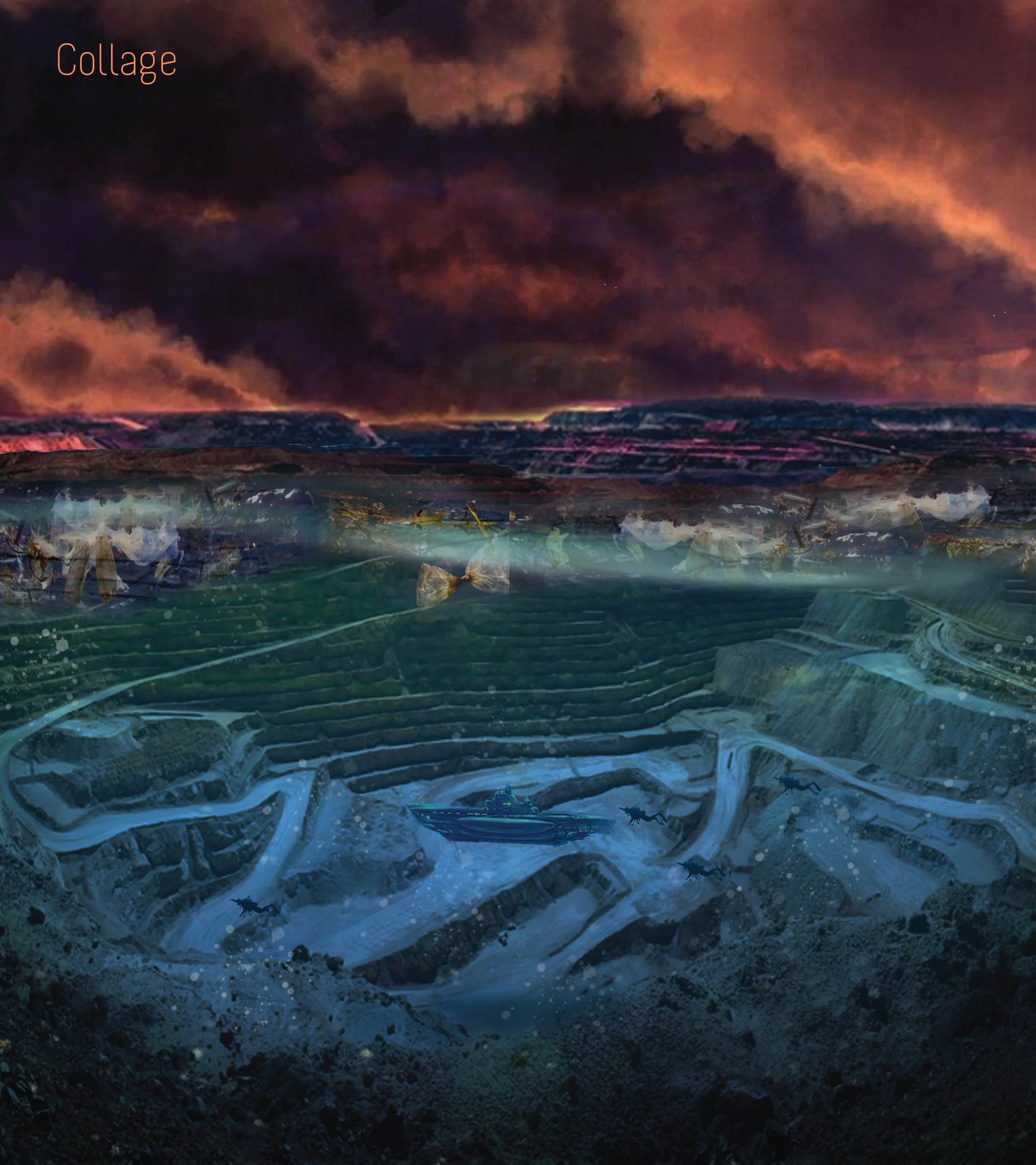
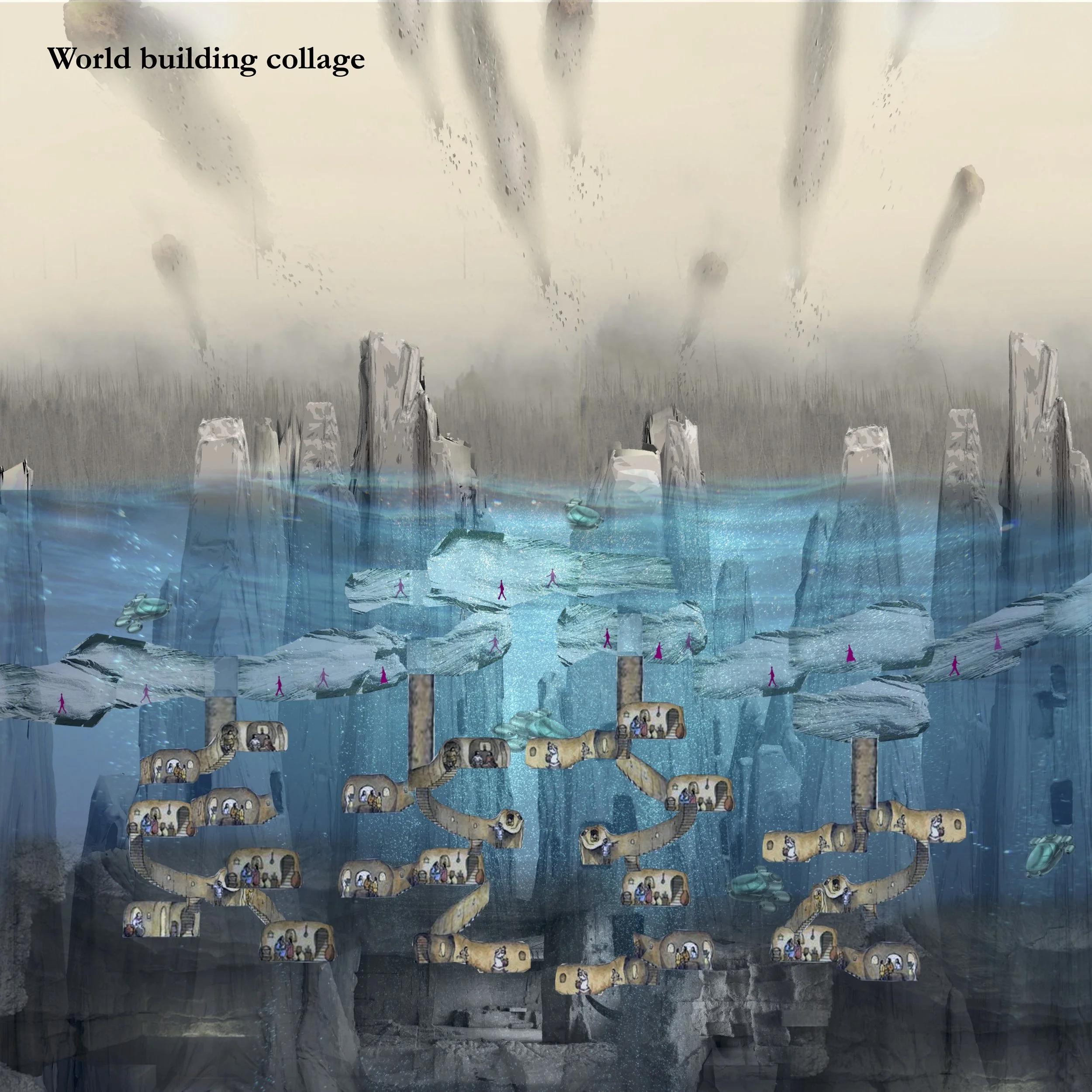
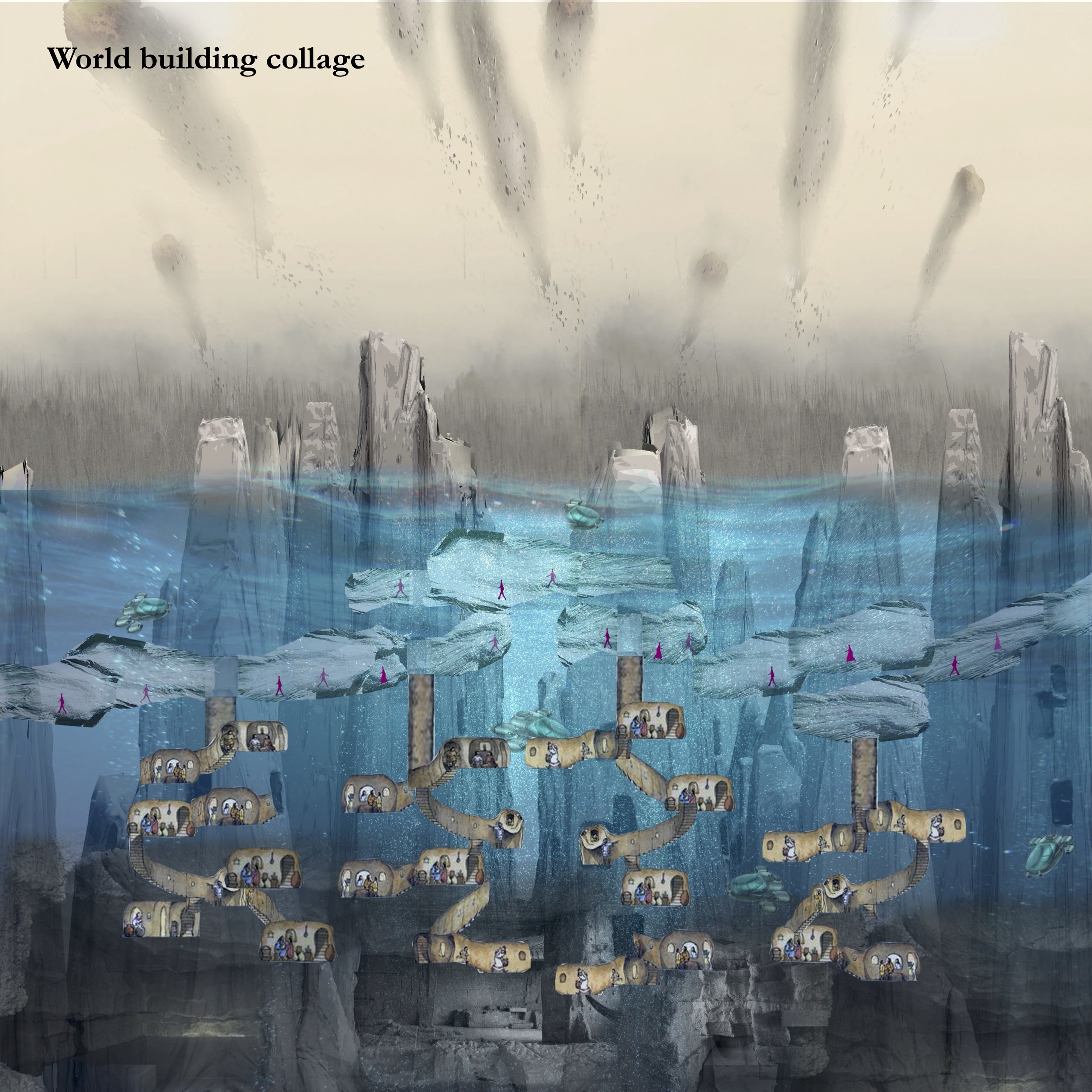
The studio collectively build the scenario of ‘living on/under the ocean’ and all projects will be situated within this context. The geographical conditions will be set as hideaways for the future civilisations to survive, seek protection and strive.
Cultural Context:
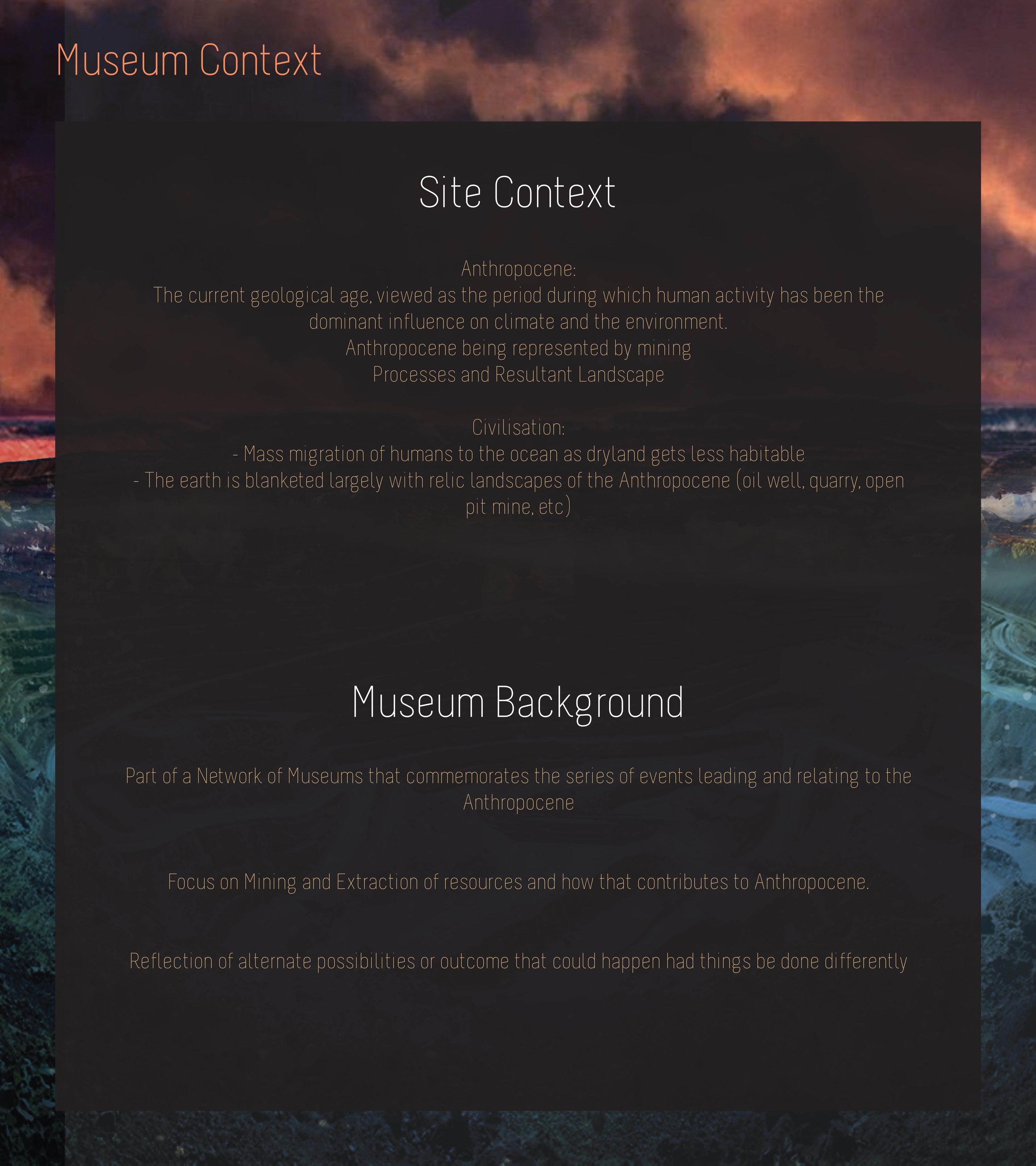
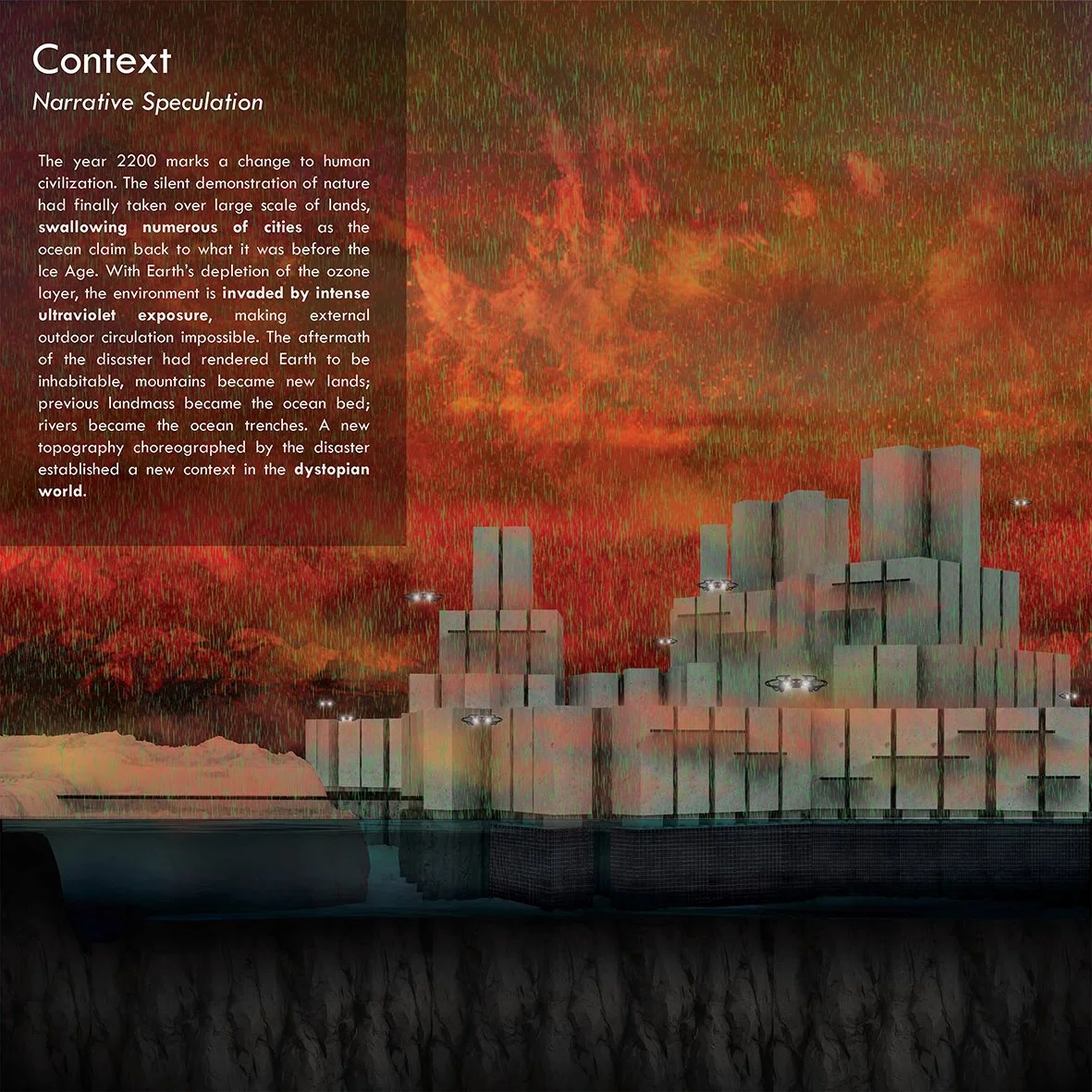
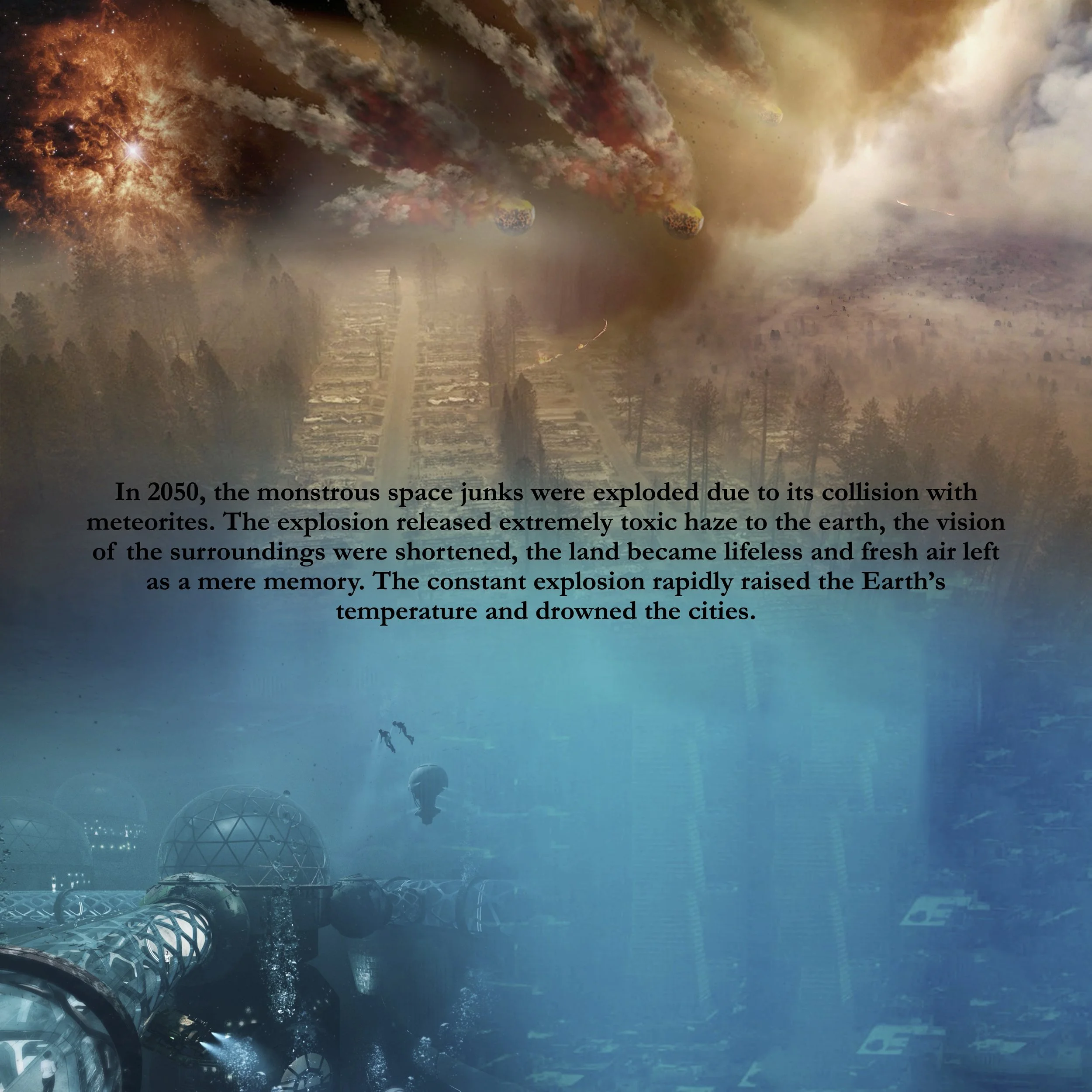
It is Year 2200, and we finally did it. We destroyed the Earth, slowly but steady until there was no ground left to stand on, no fresh air to breath. The aftermath of Climate Change and Antrophocene, the Earth has transformed to a new being. The land has diminished to the seas. We, as whatever is left of humanity, are forced to live on/under the ocean, away from the lands that we once called ‘home’.
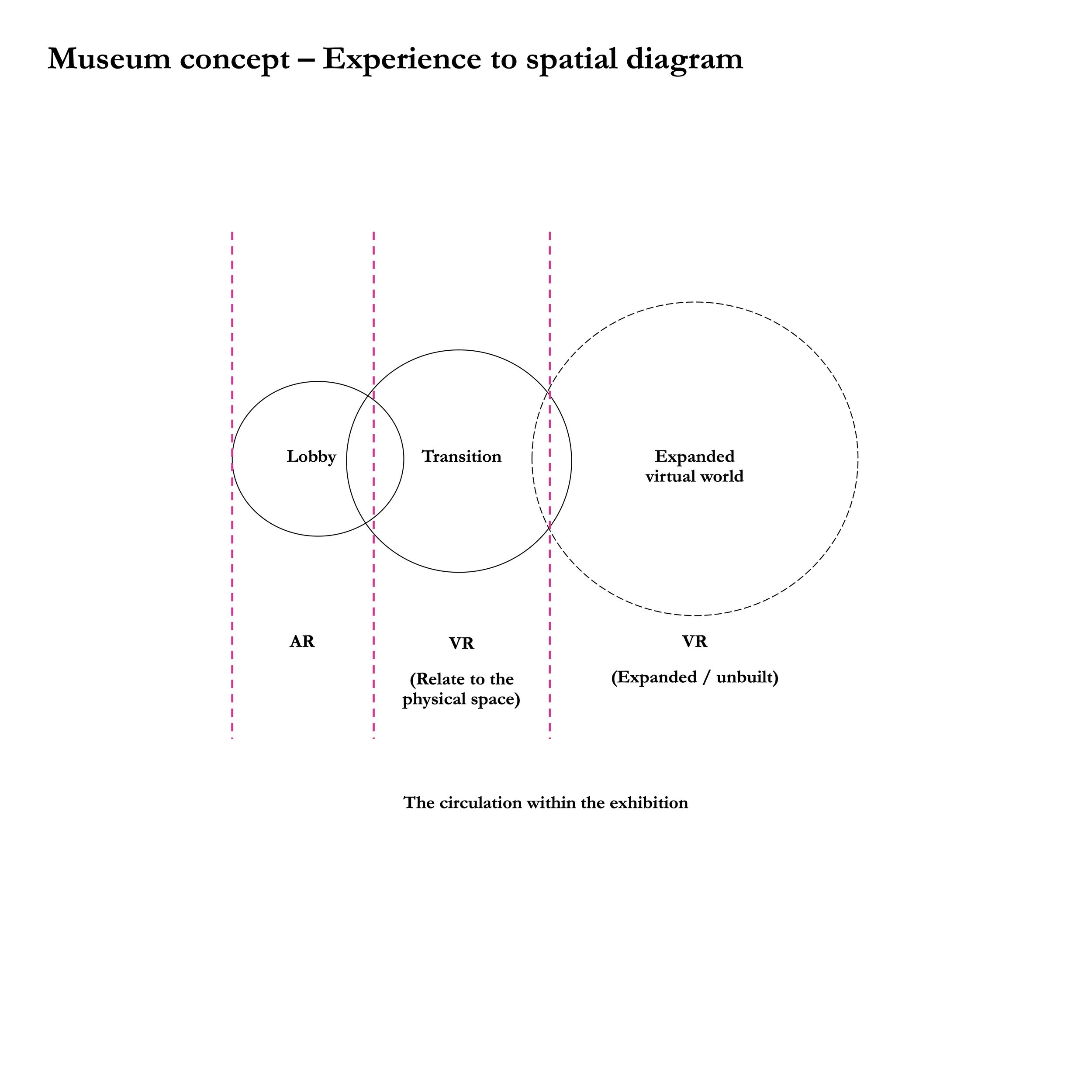
Physical mobility is restricted to minimum. It is a world where humans are trapped between the virtual and the real under/on the ocean bed. Boundaries are blurred. Experiences are neither nor.
Nations have dissolved, societies have diminished to thin air. Civilisation as we know it ceased to exist along with its cities and all our possessions. We are forced to rely on our Memories as a civilisation. Our collective memory is what connects us to our previous selves and to our futures. It is the only record of our past, for today and future.
‘Museum as a heterotopia:
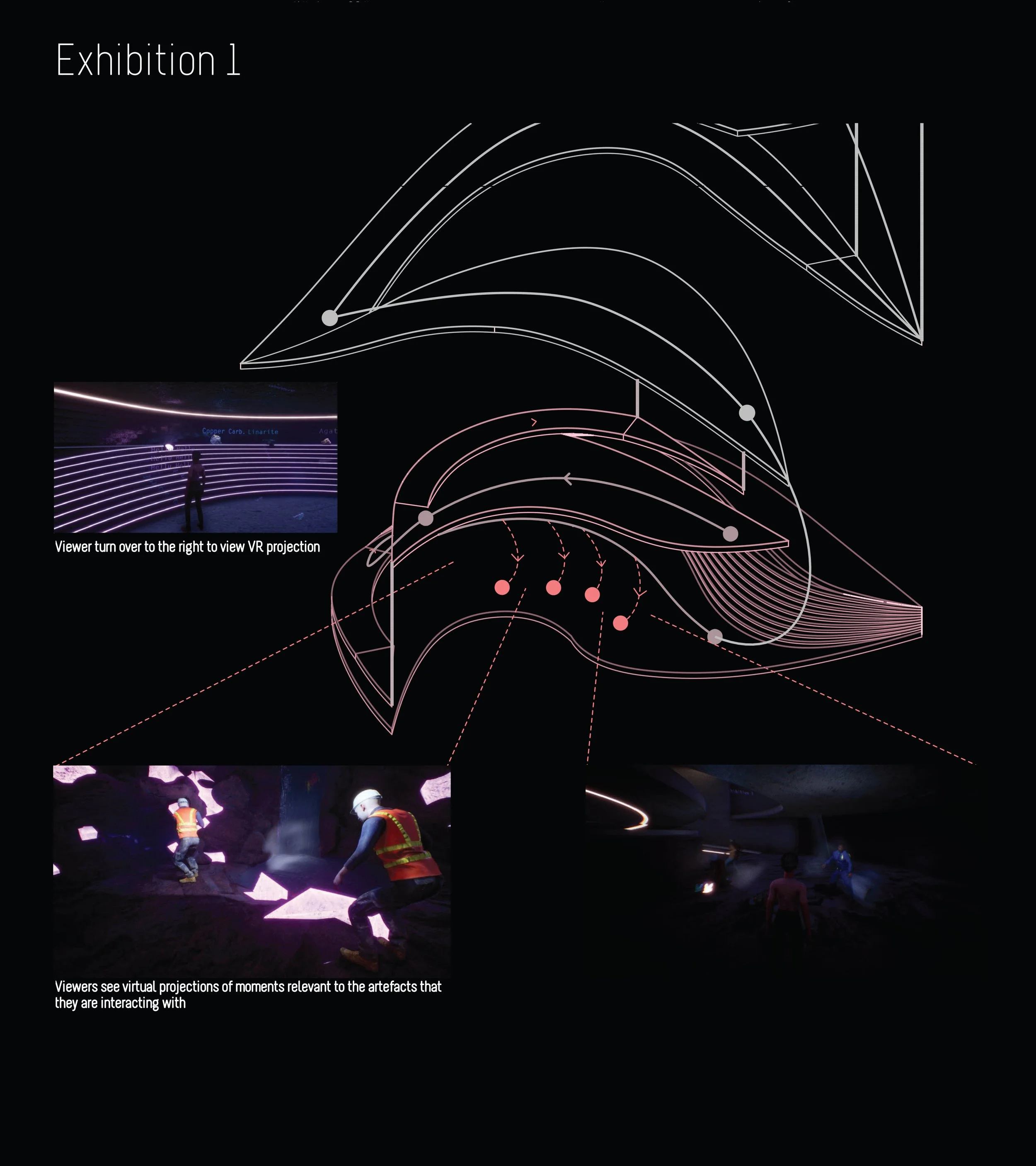
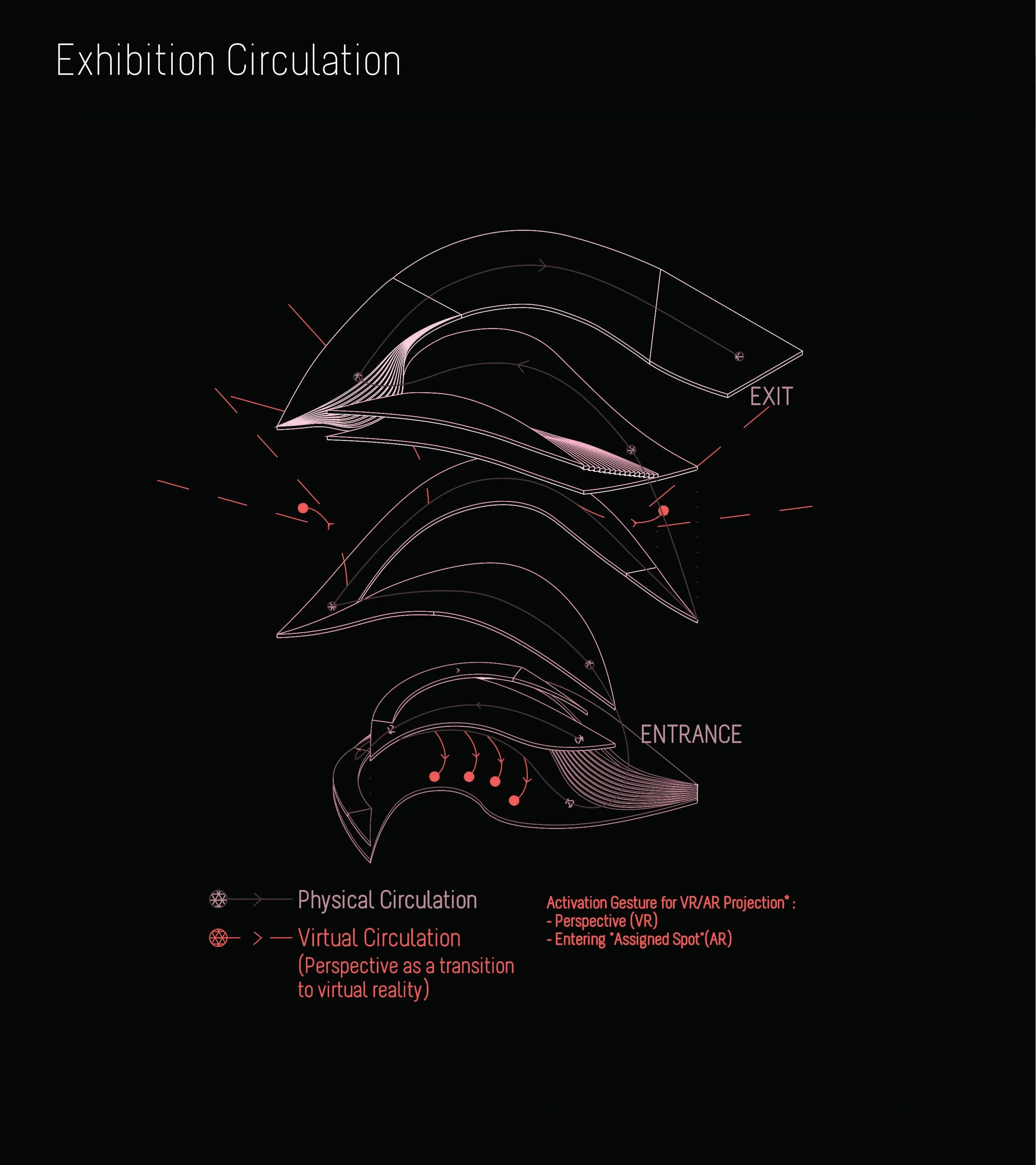
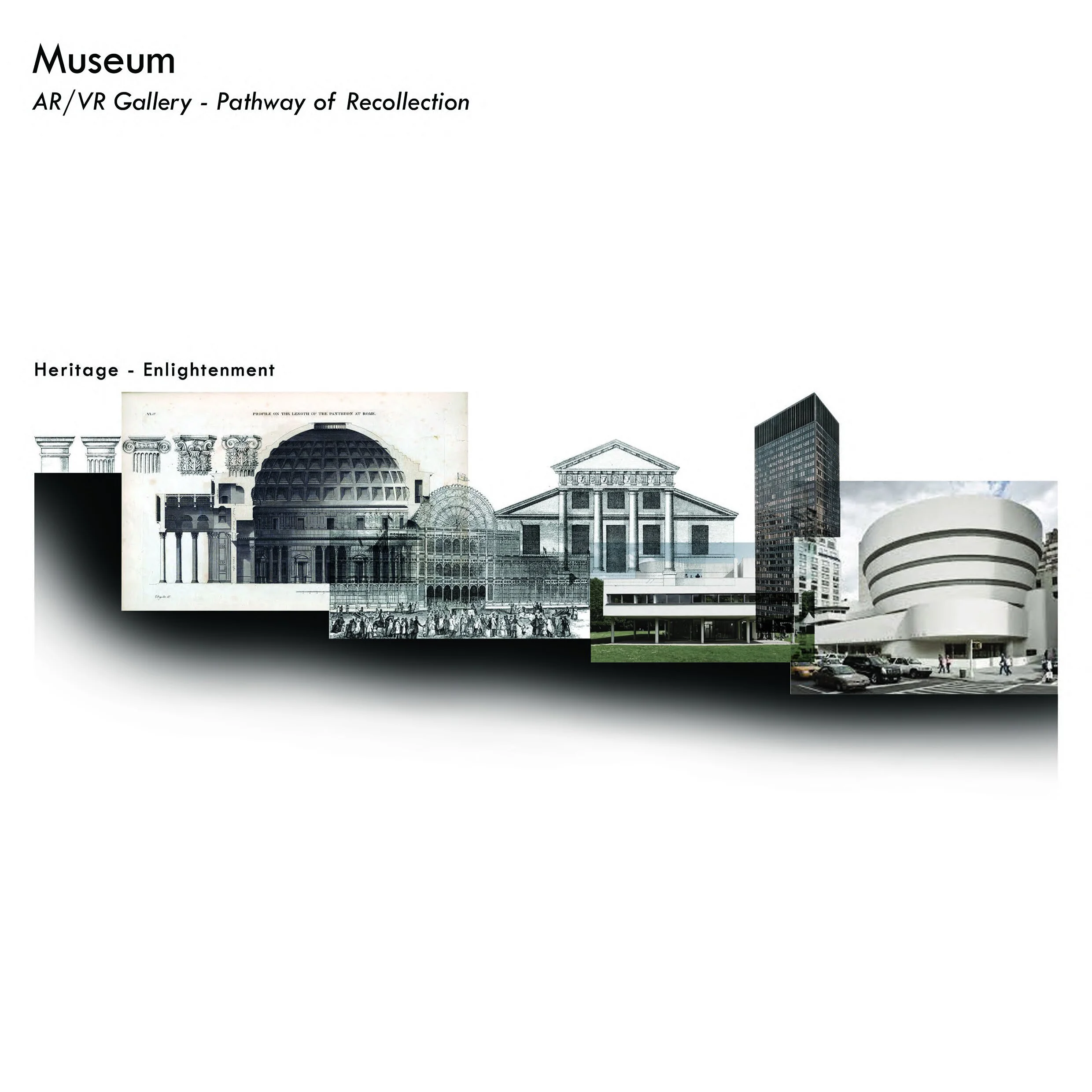
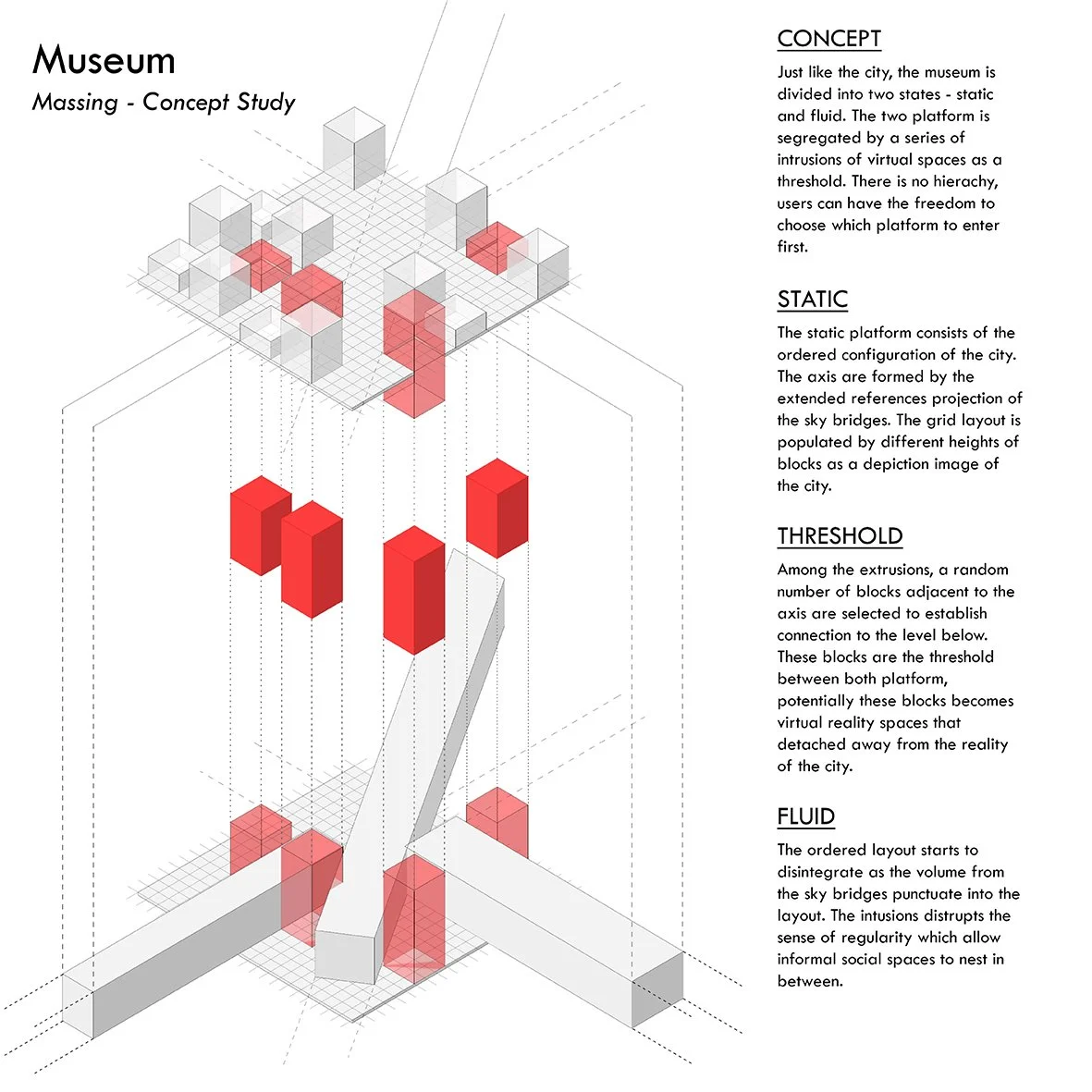
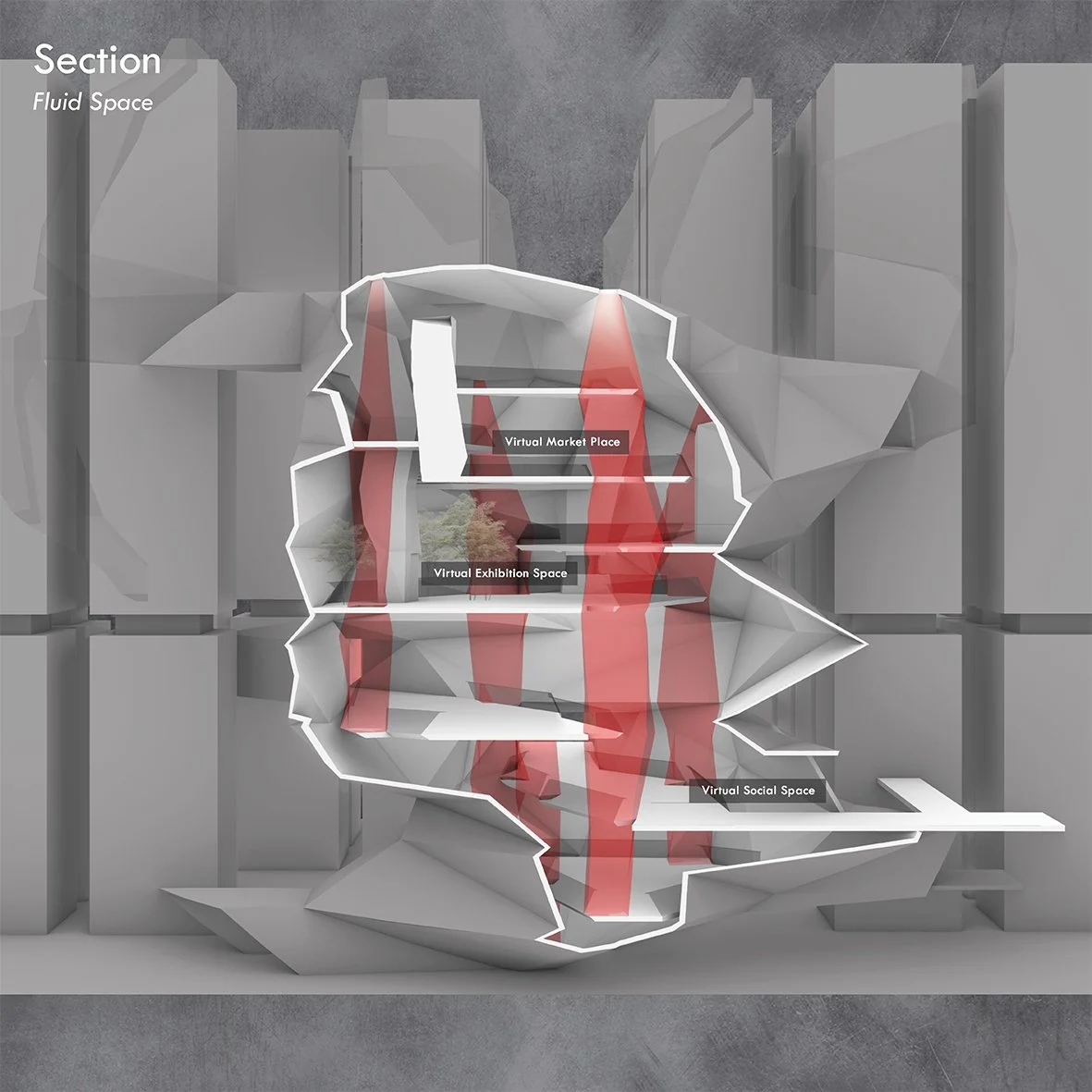
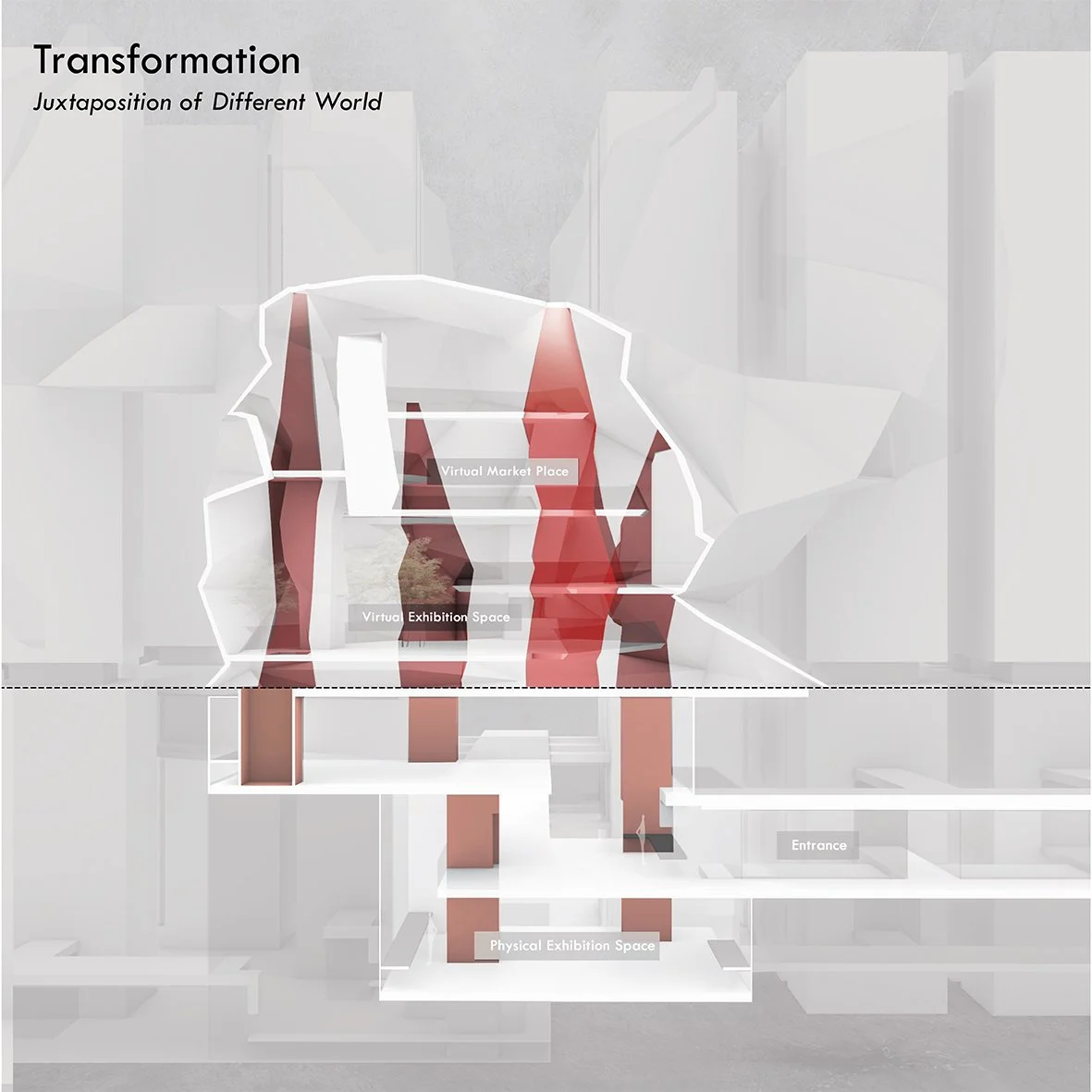
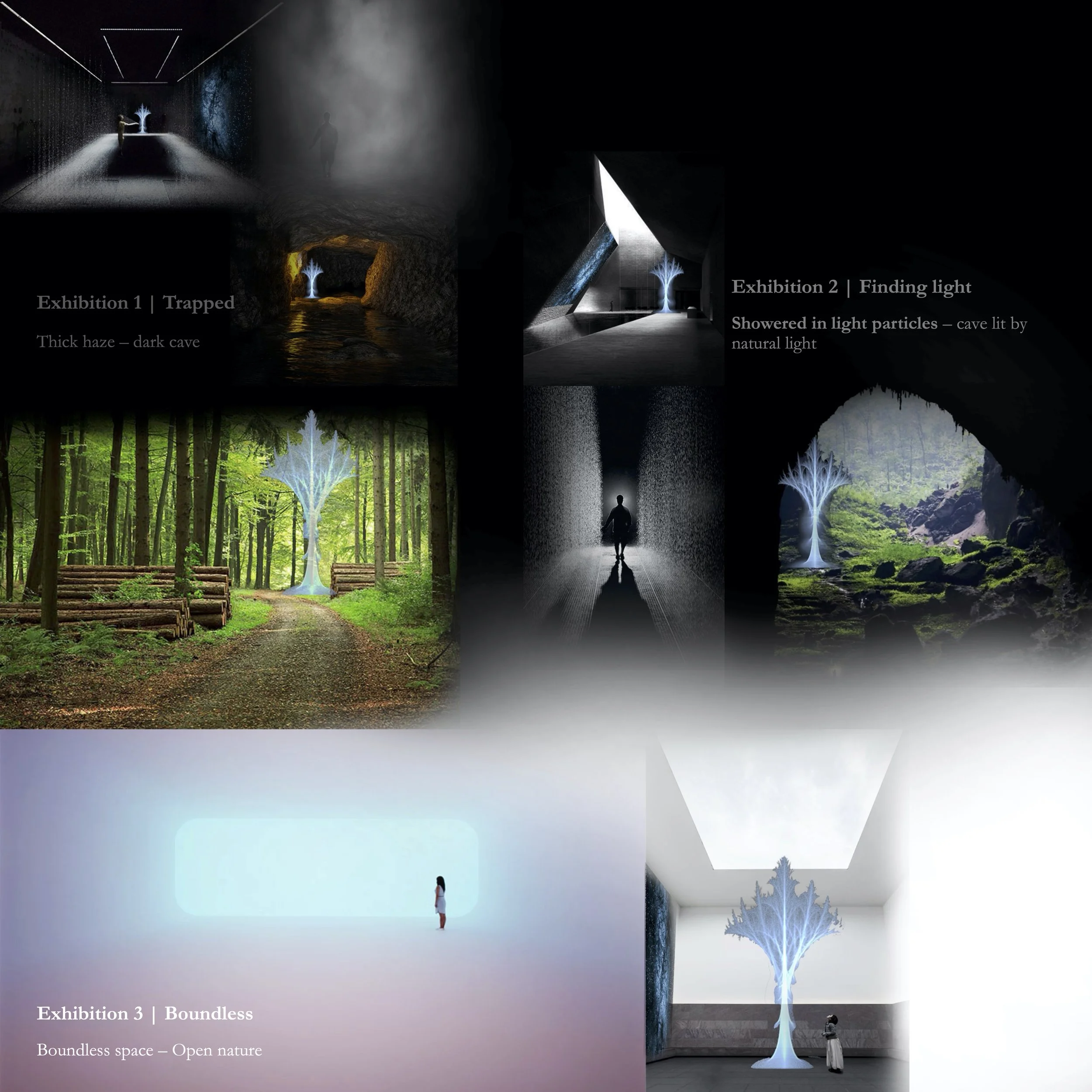
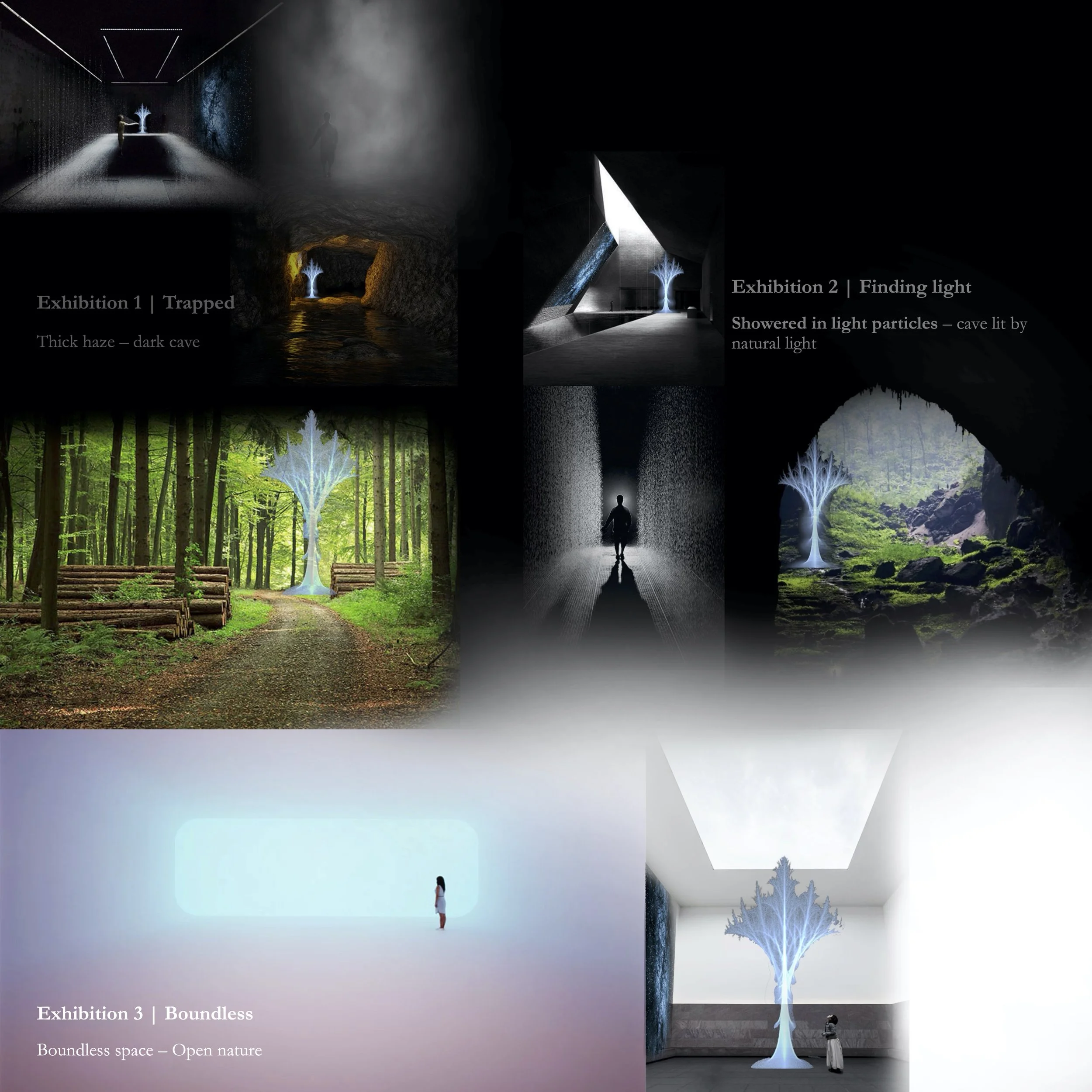
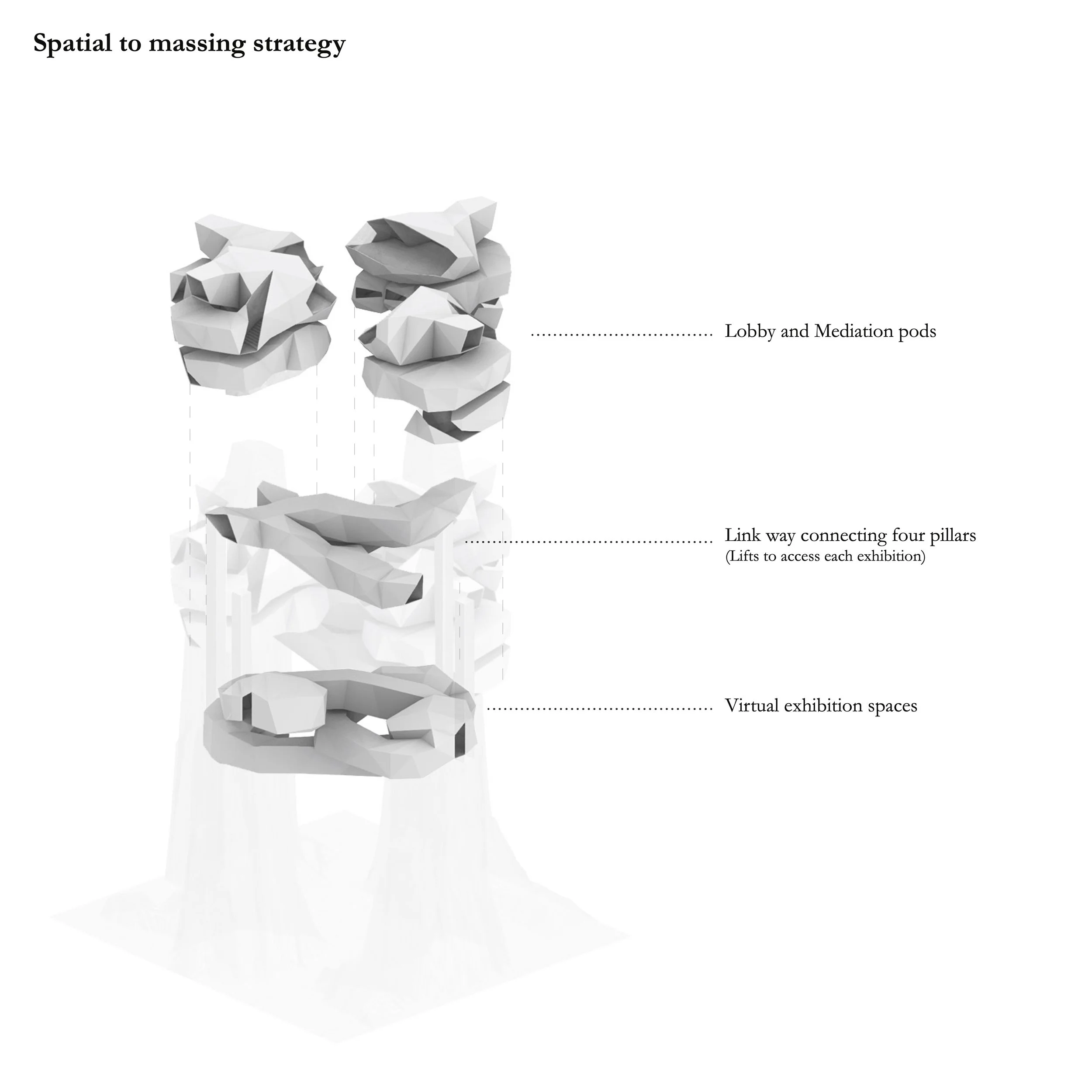
Experience of ‘Museum’ will be questioned and interpreted as a set of hierarchical relationships among physical and virtual experiences triggered by ‘Artefacts’. The ‘Artefacts’ will become the gateways to virtual spaces within the design.
Archive is understood and investigated as series of events, disruptions, discontinuities and multiplicities.
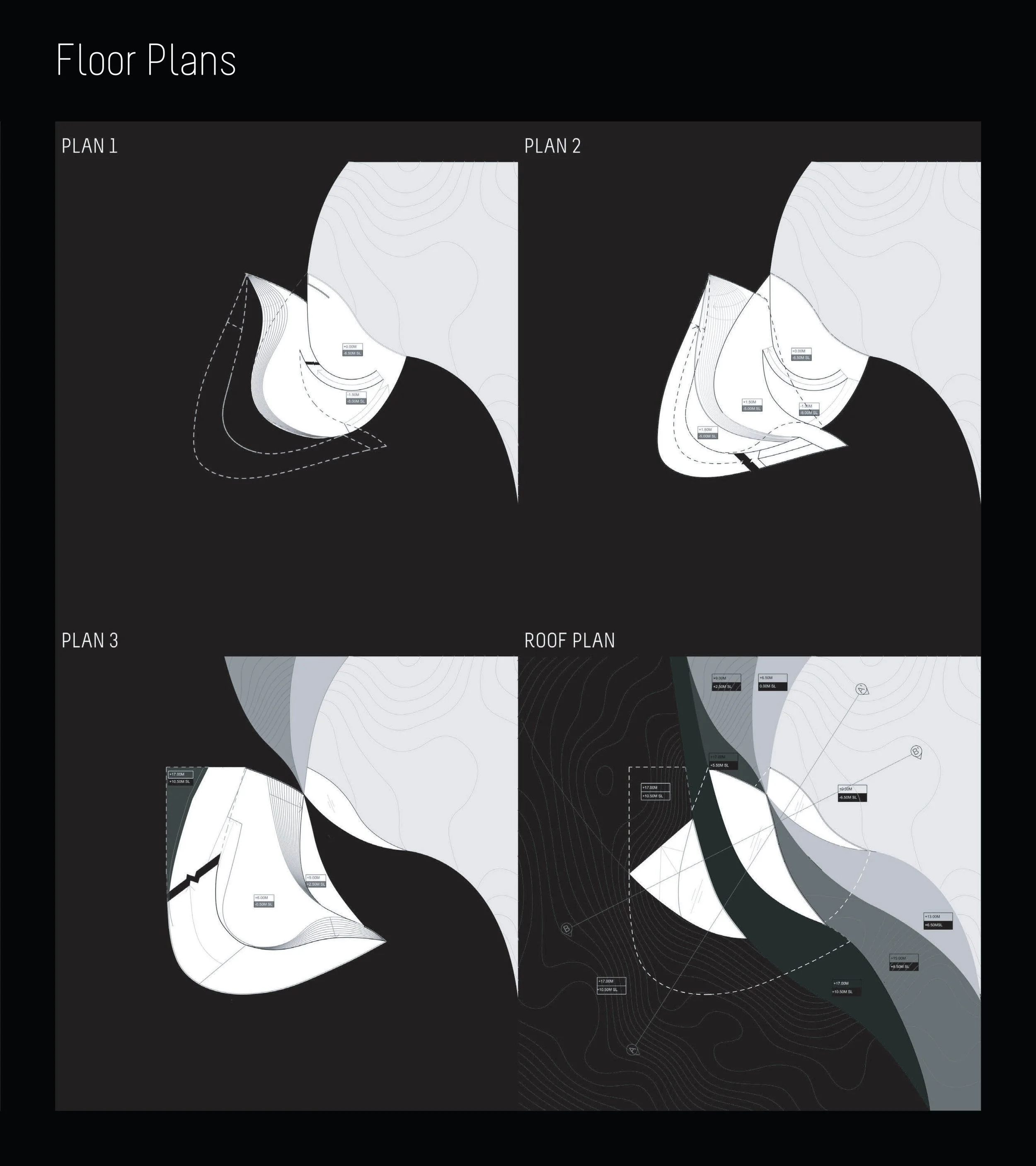
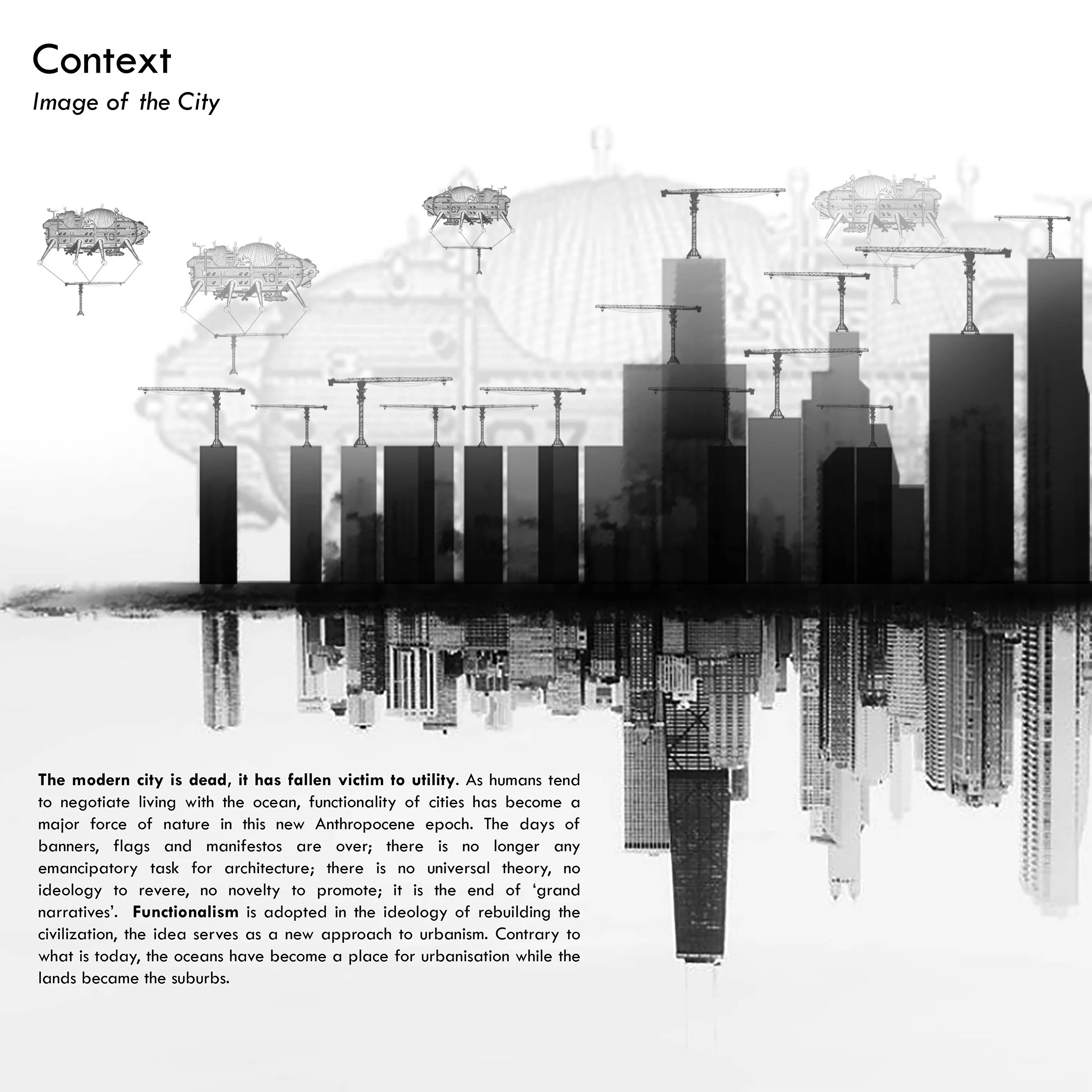
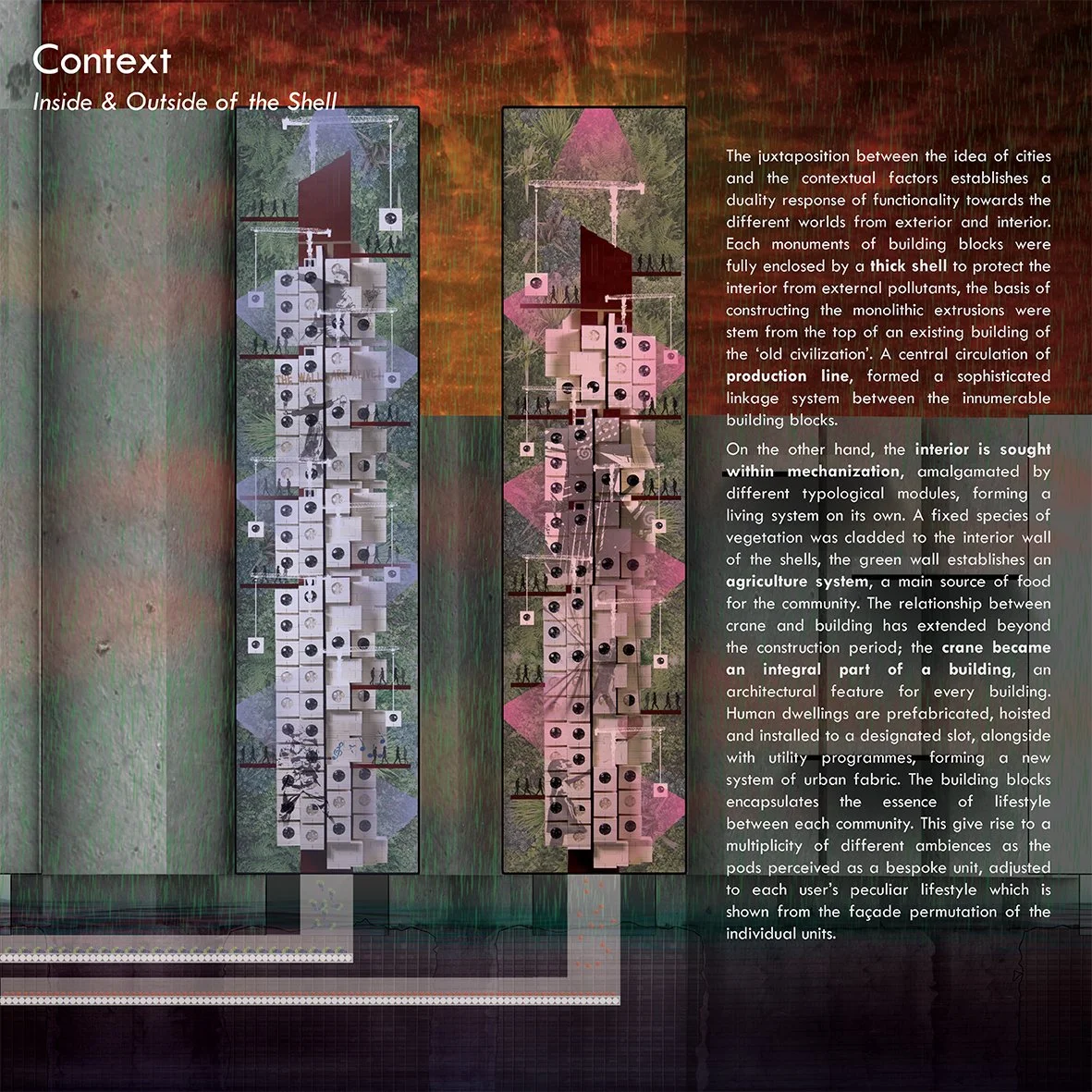
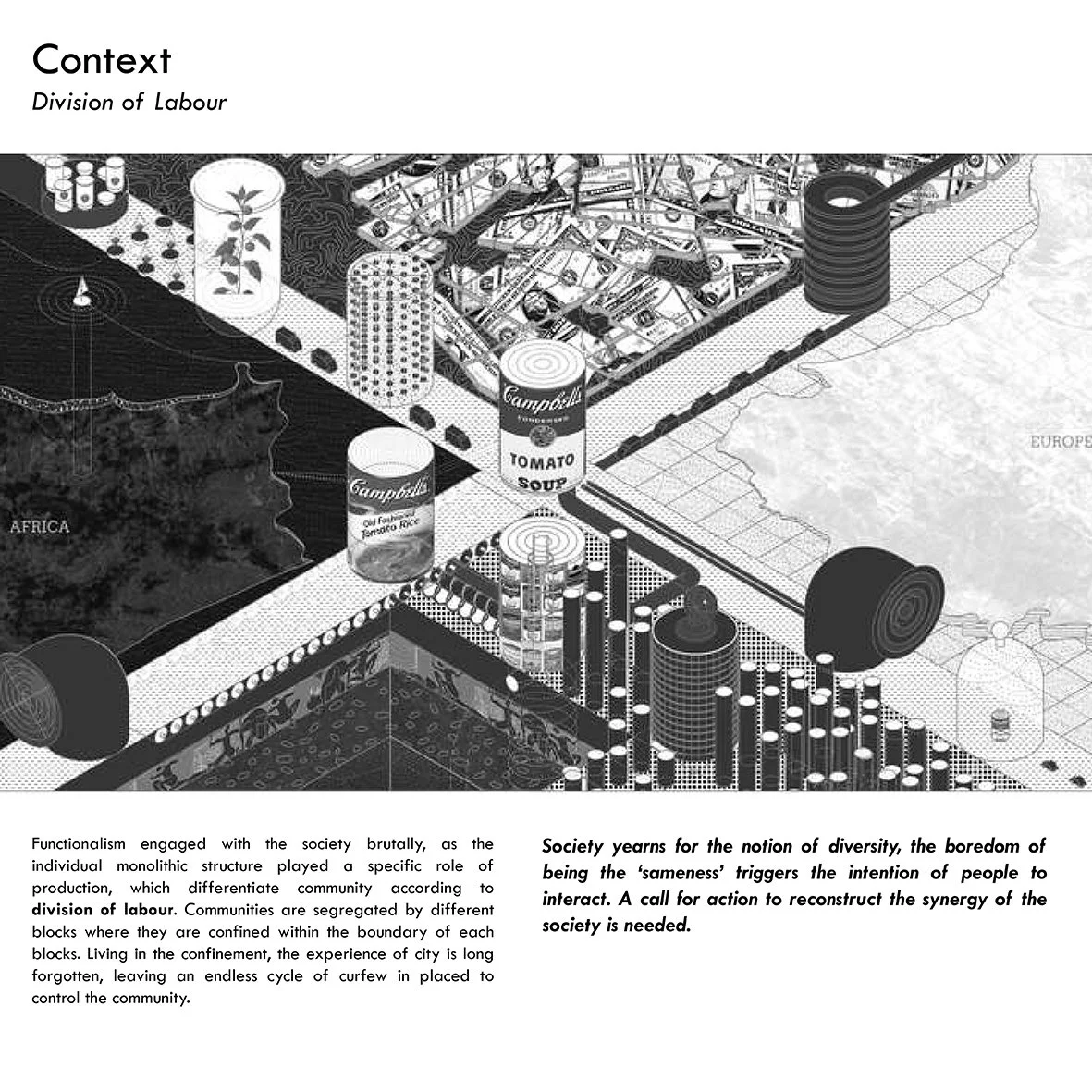
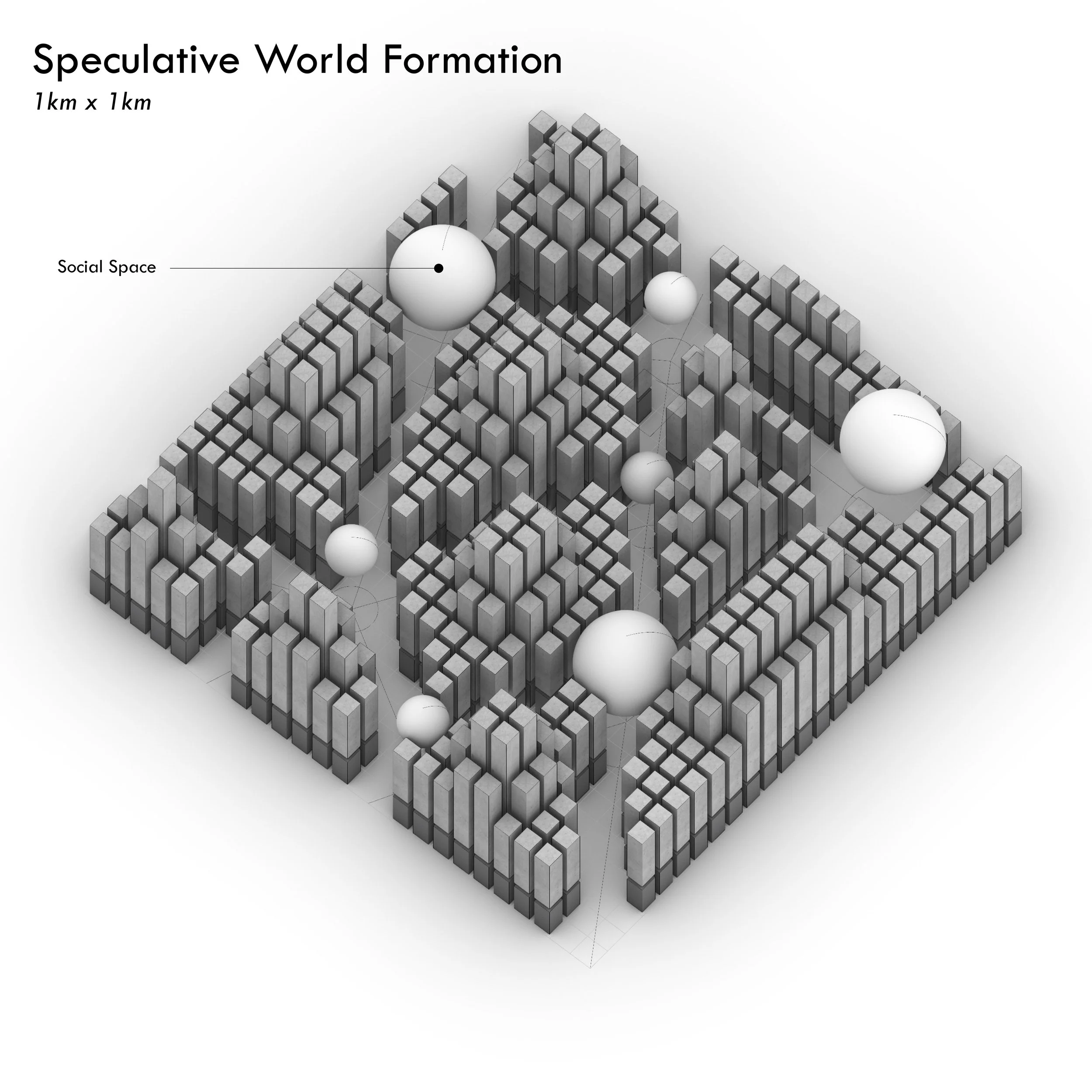
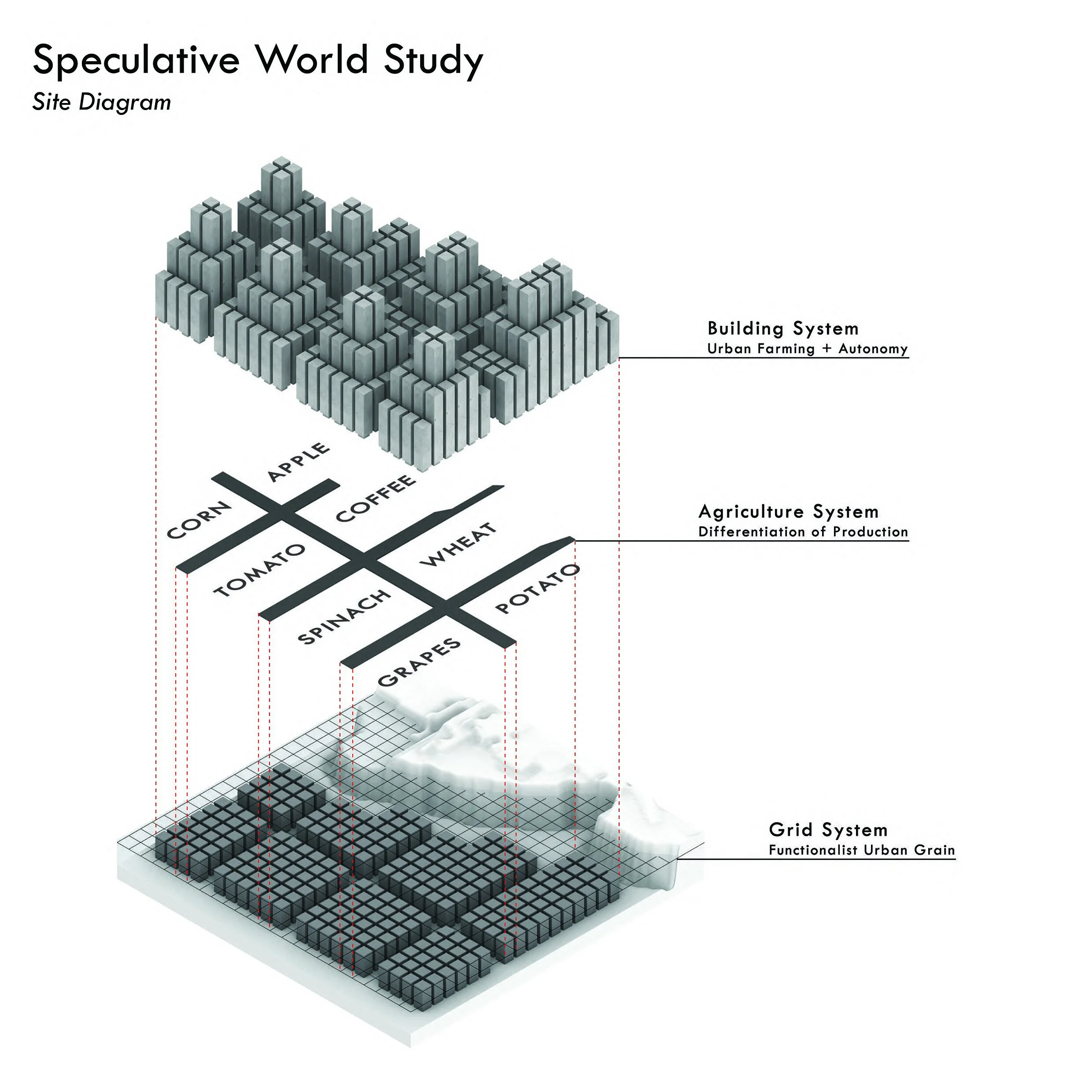
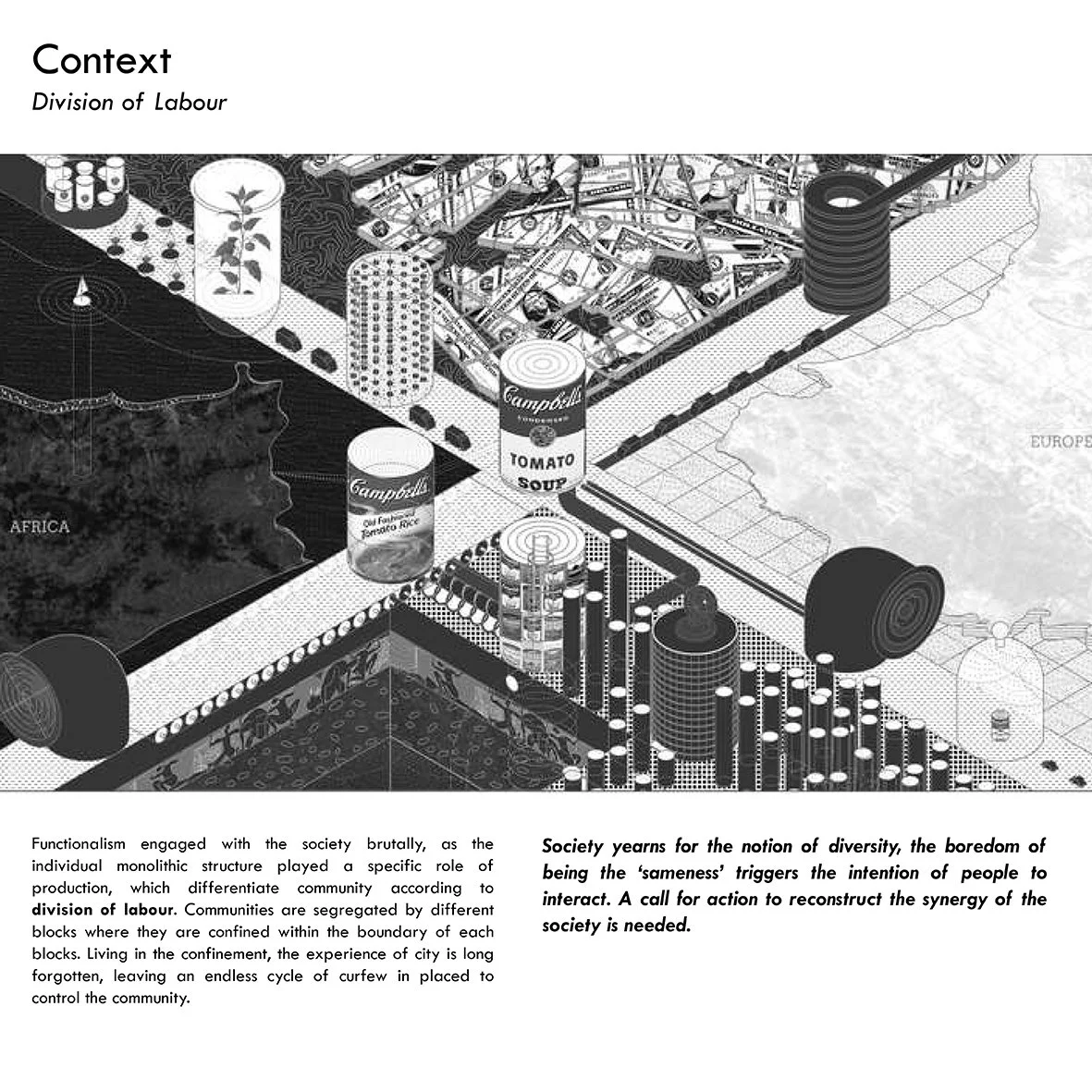
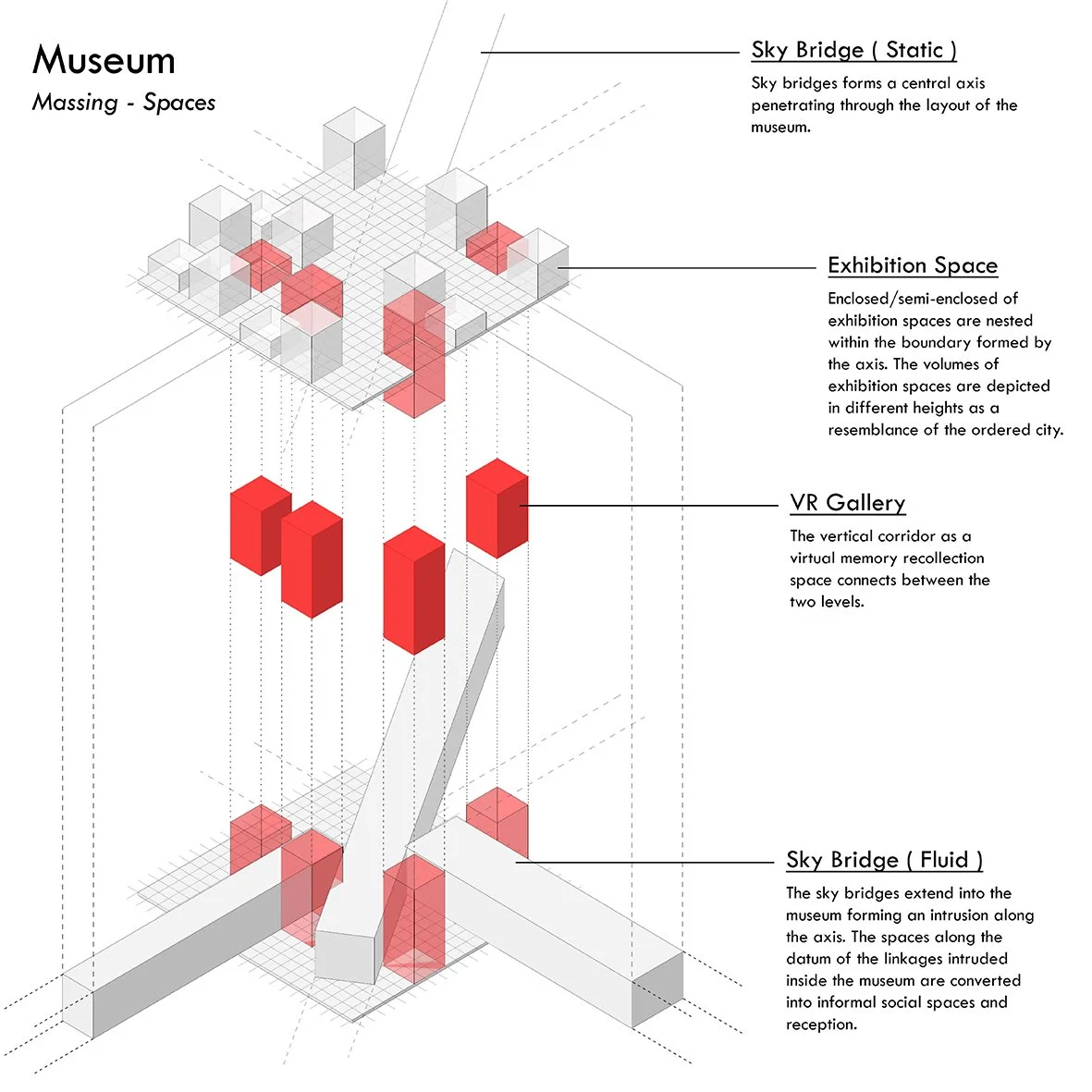
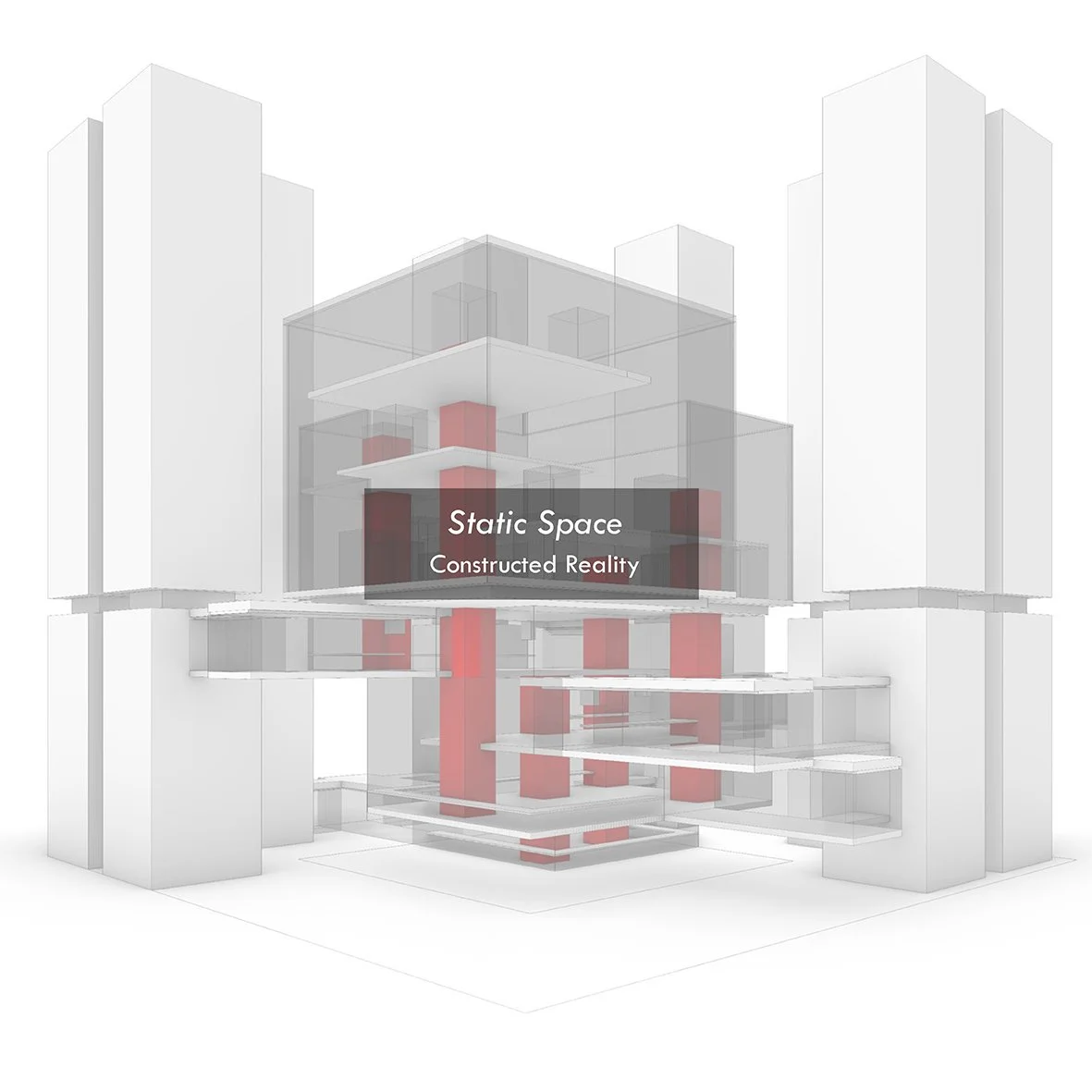
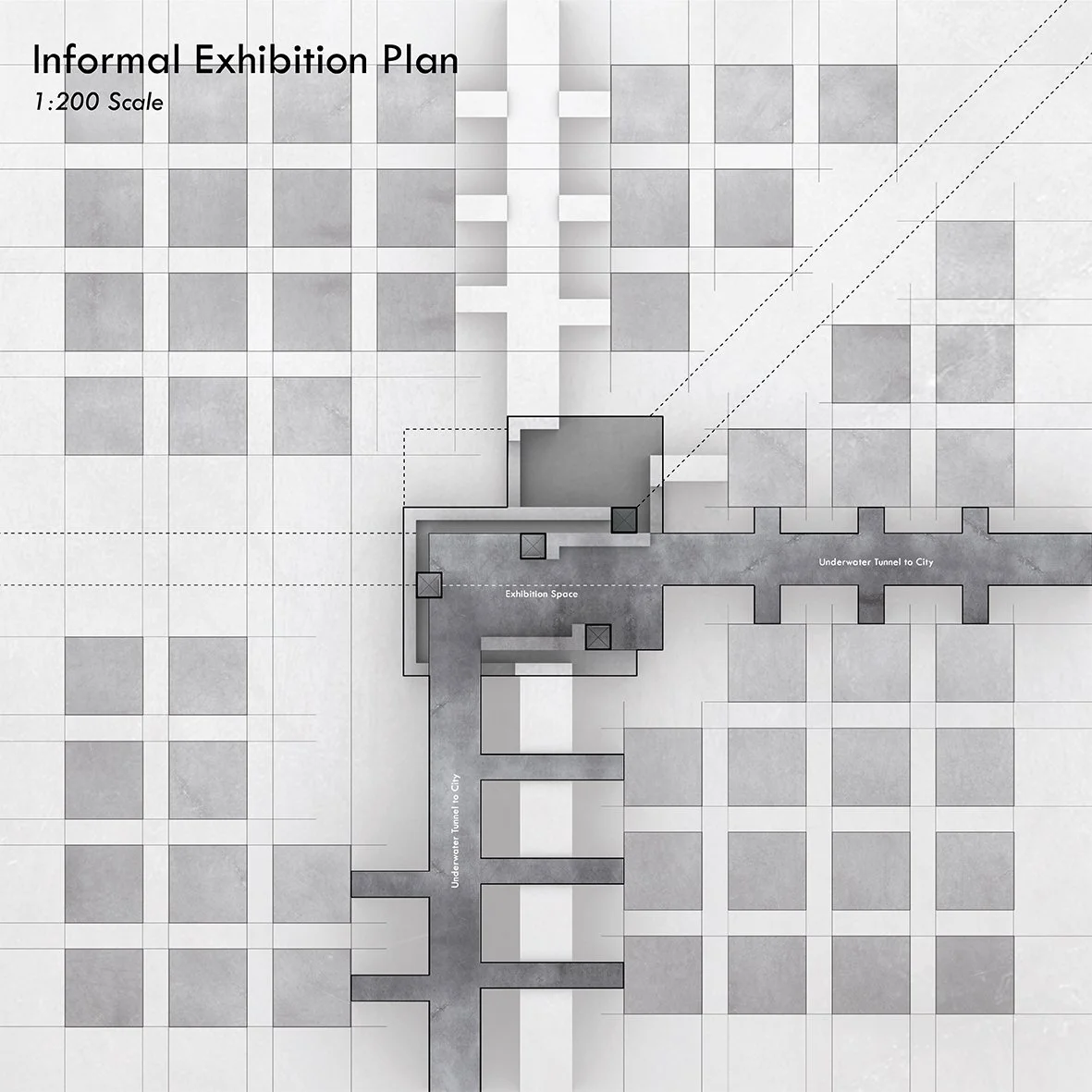
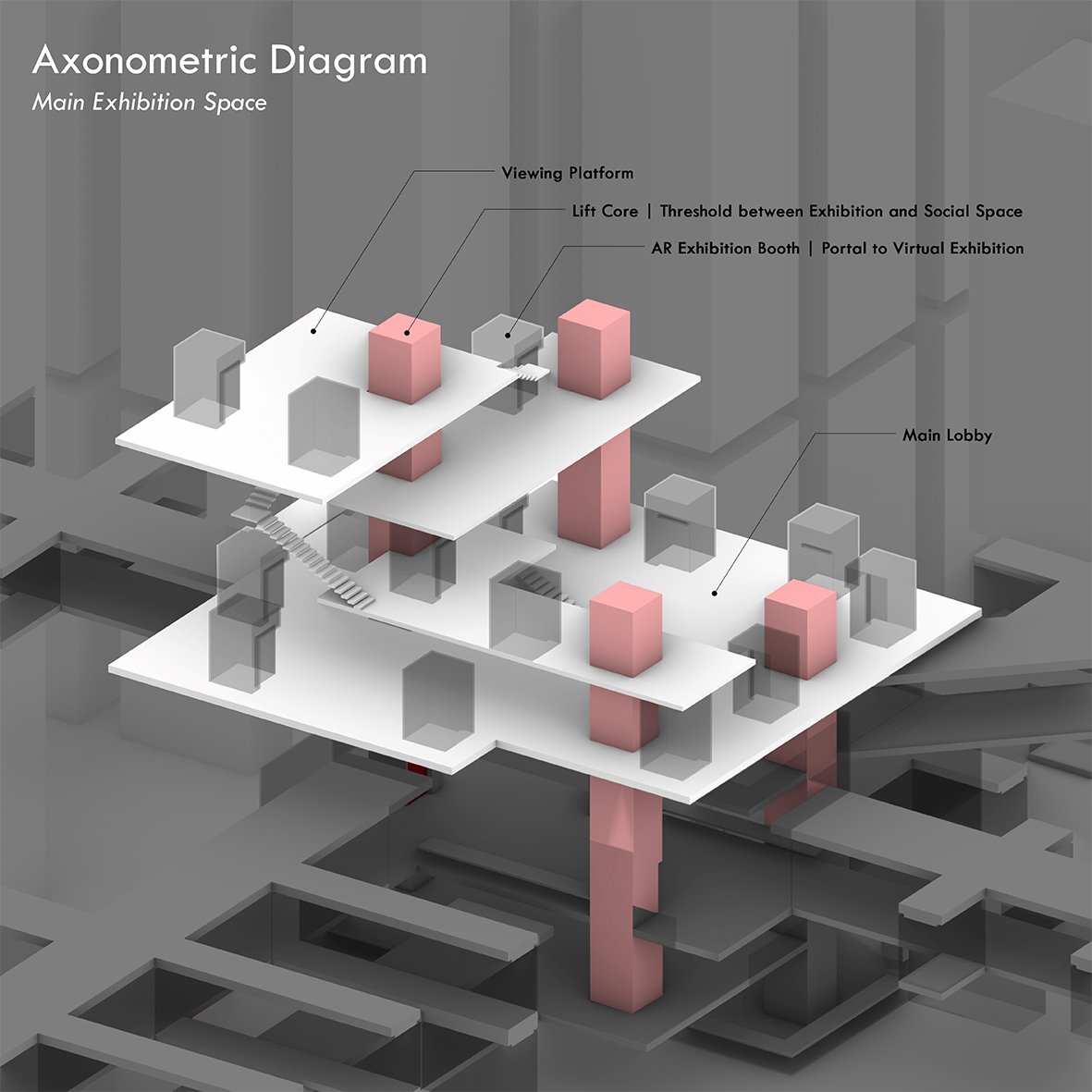
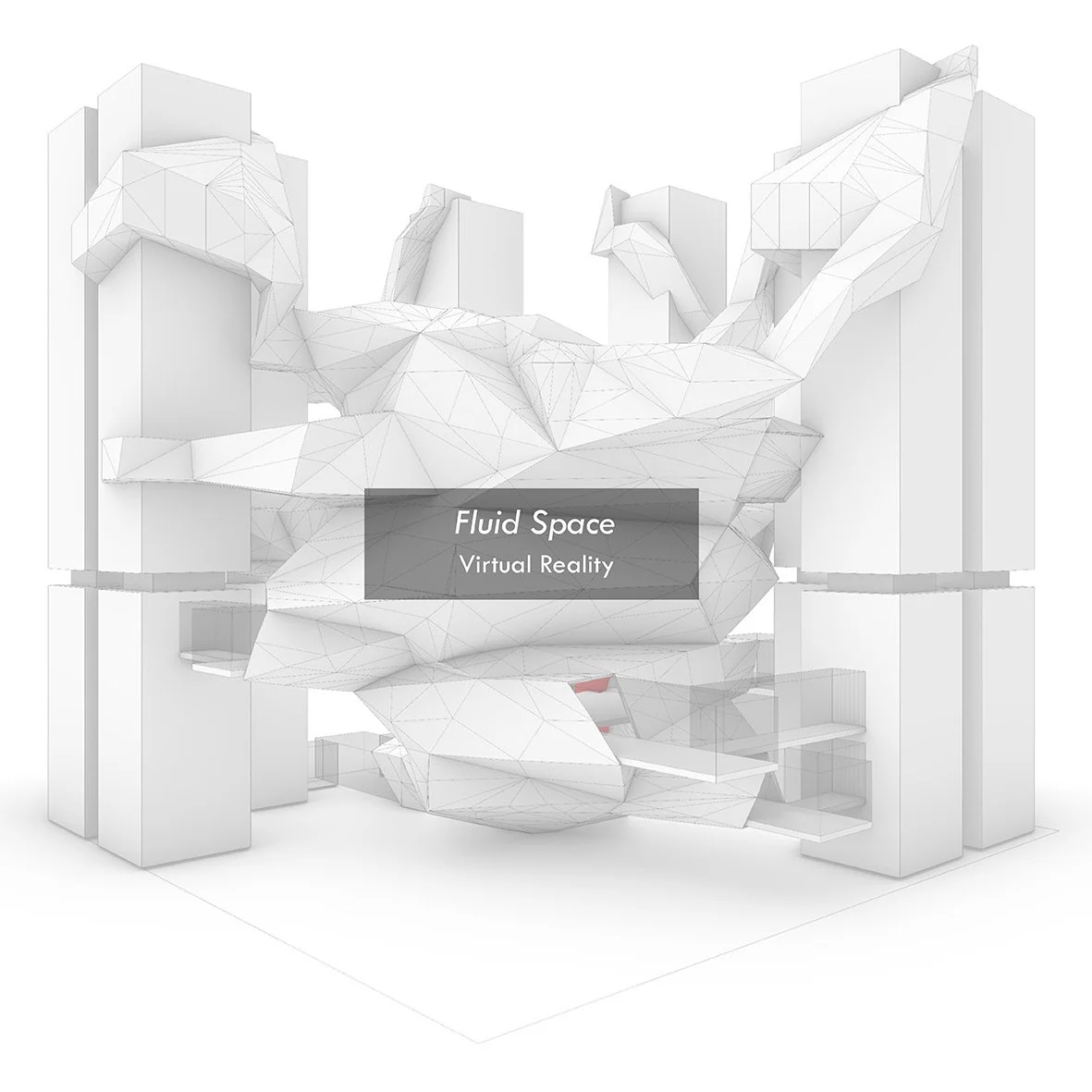
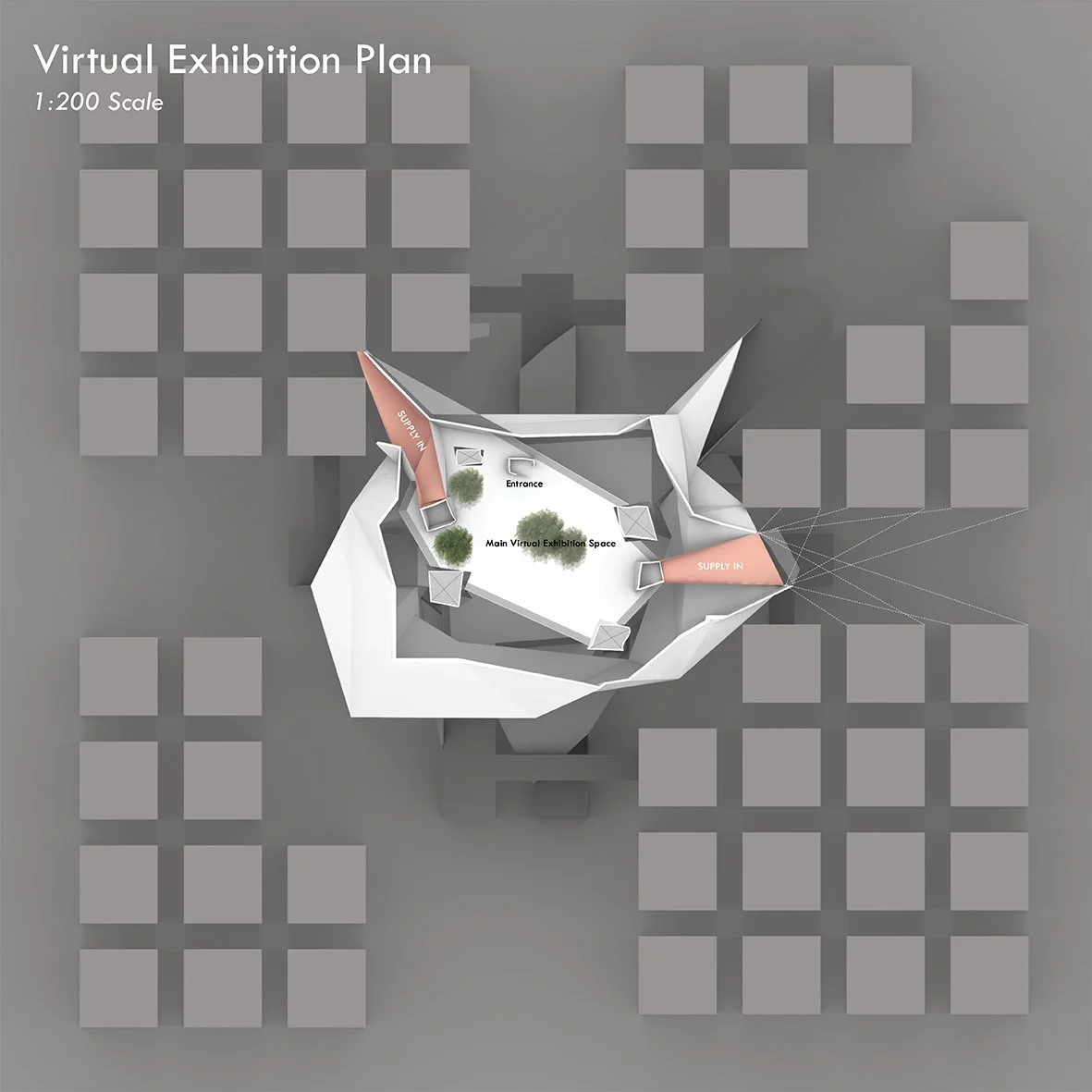
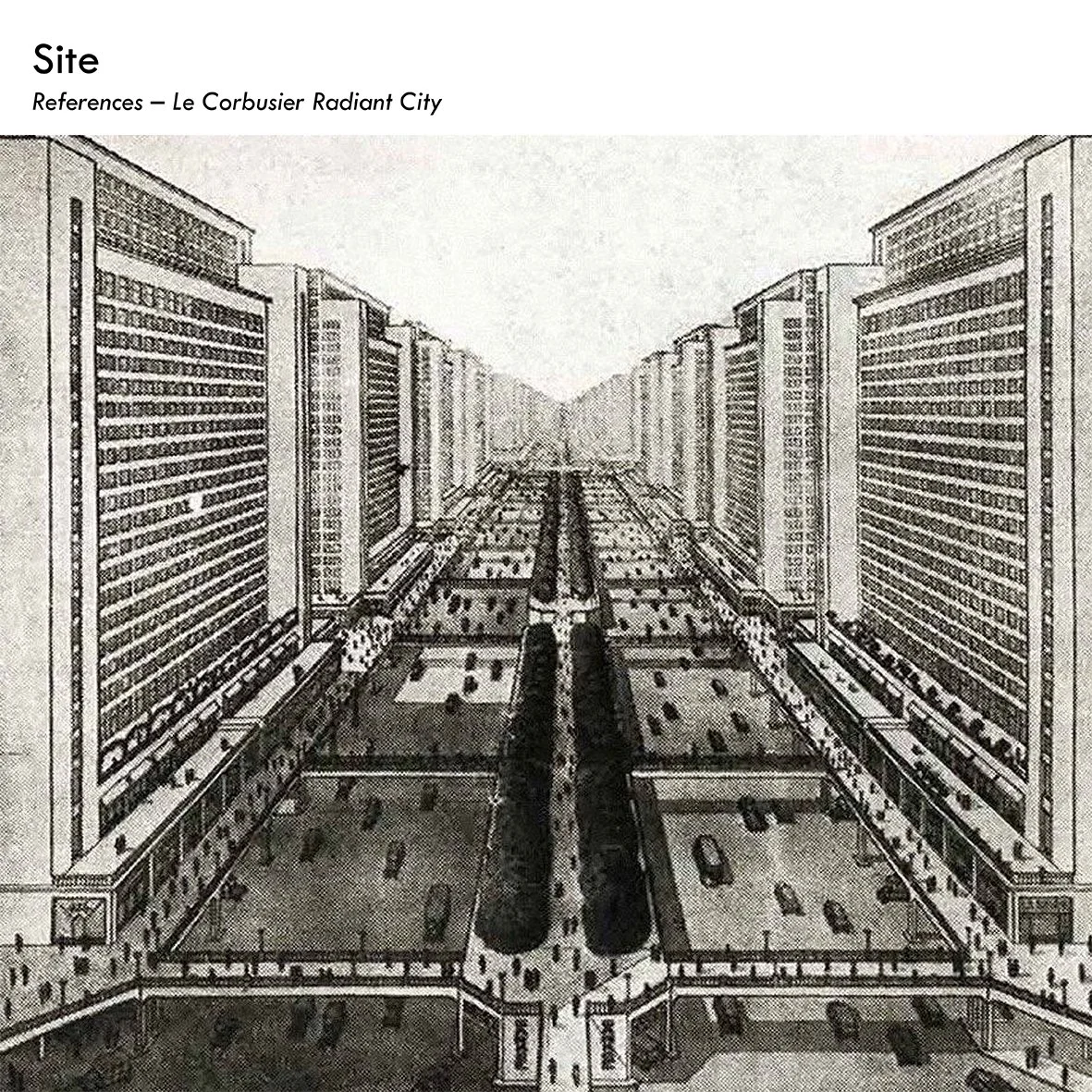
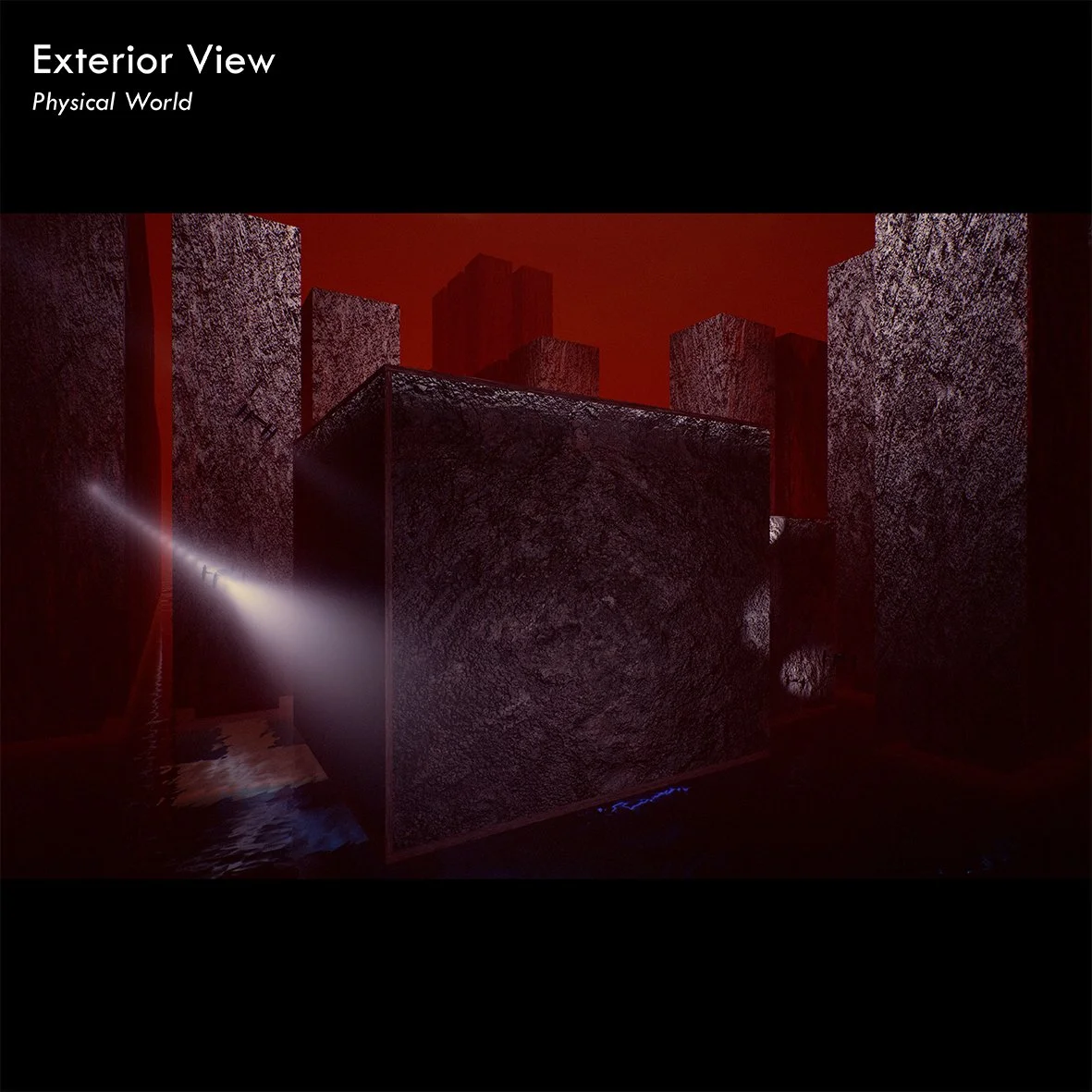
Dualistic Museum
by Chung Zhi Xue
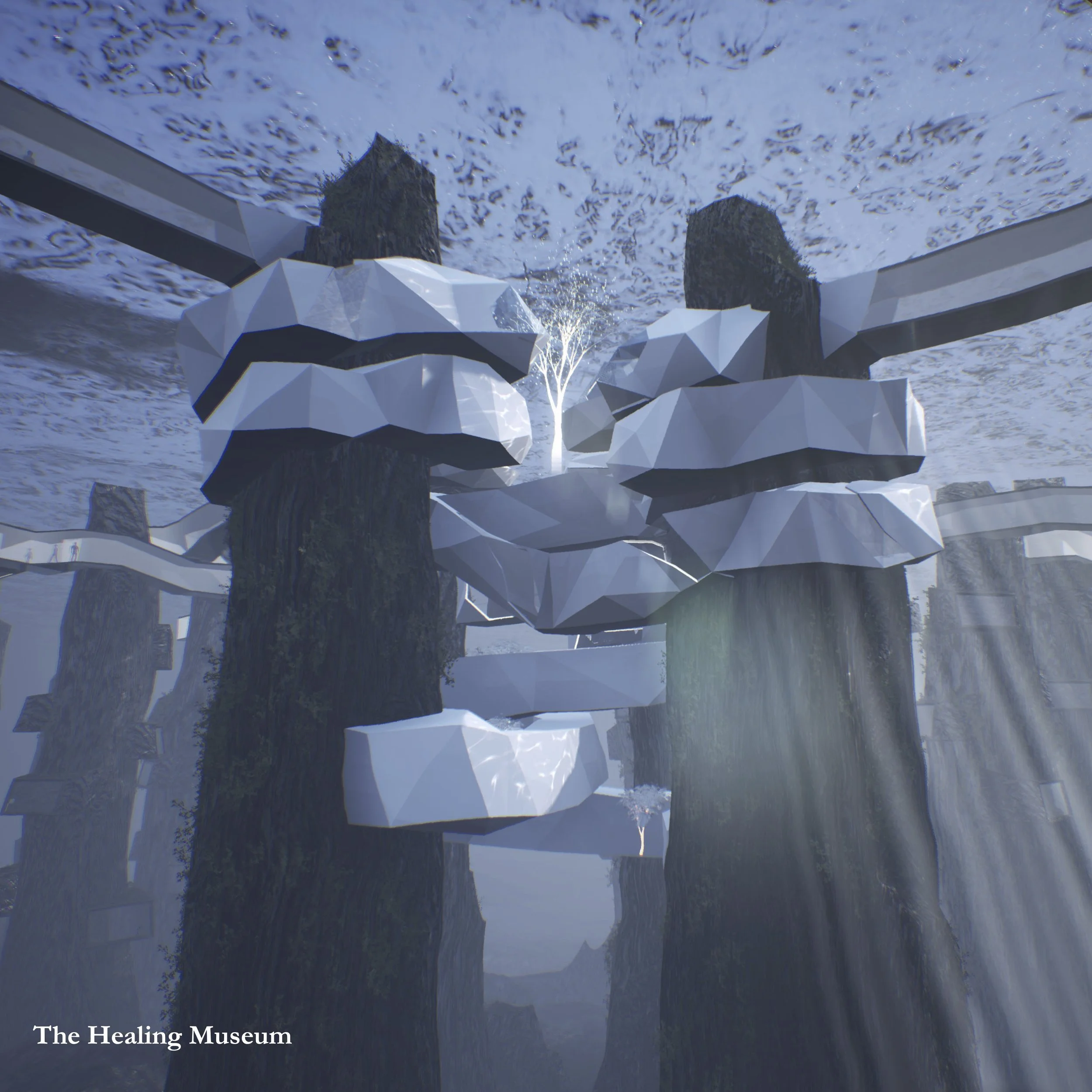
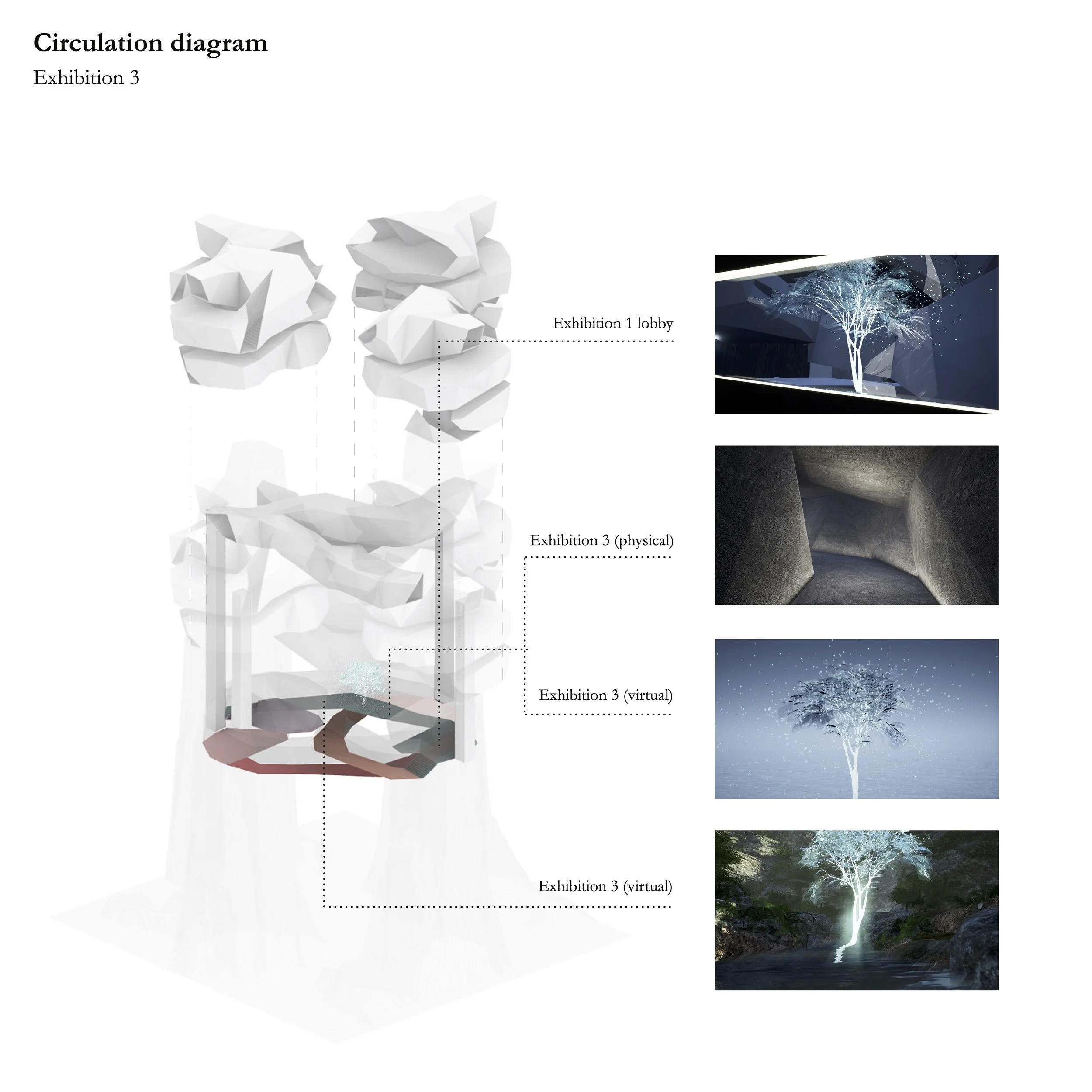
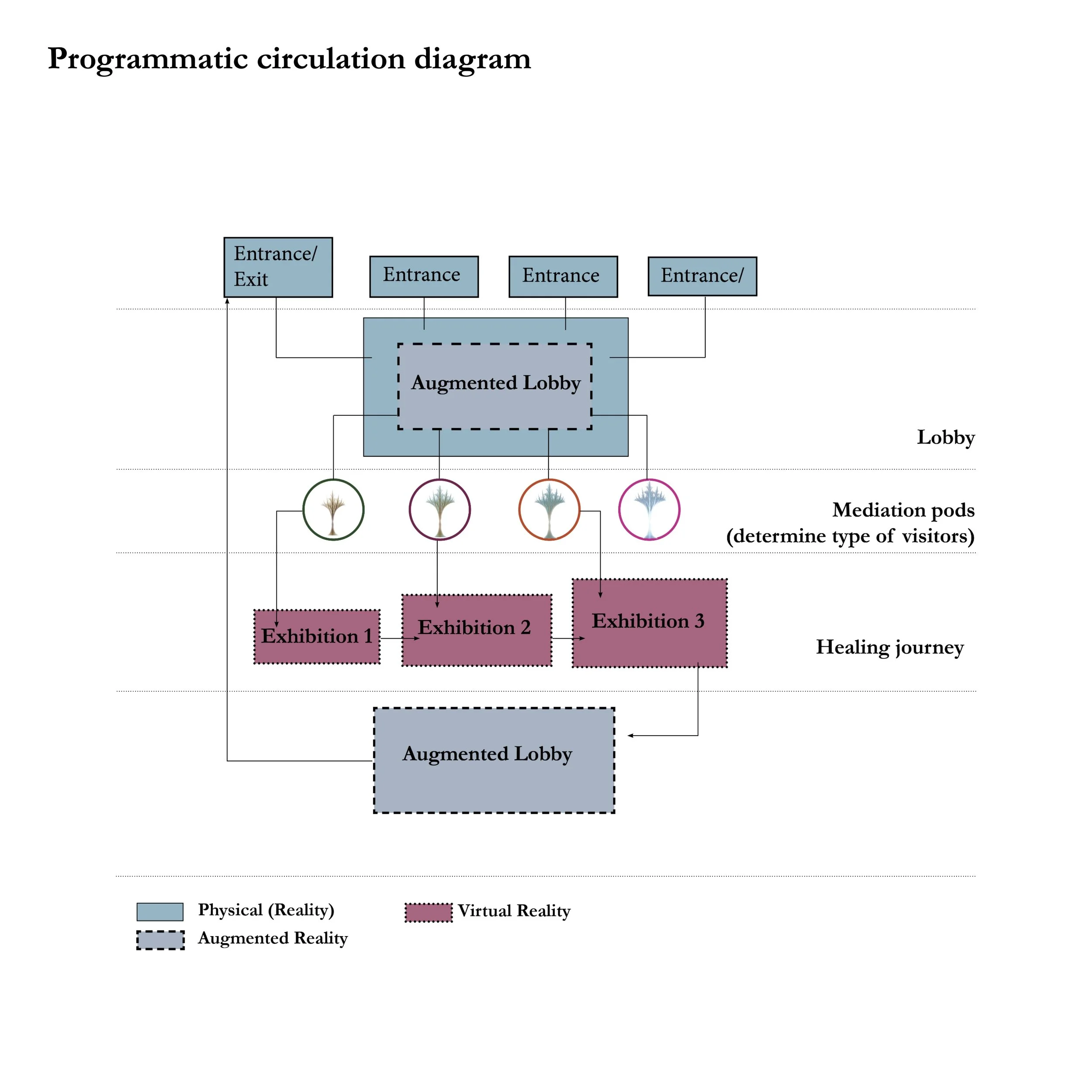
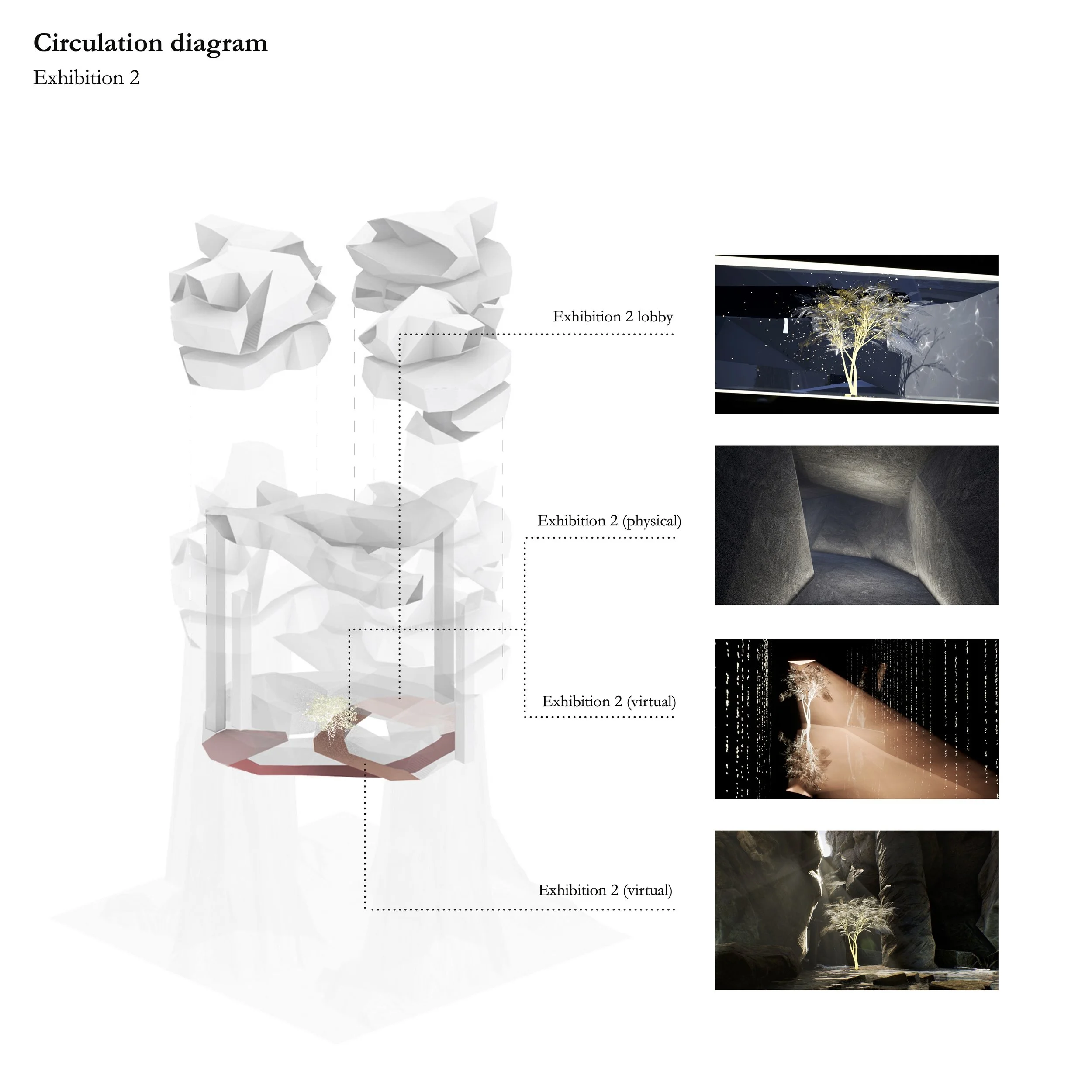
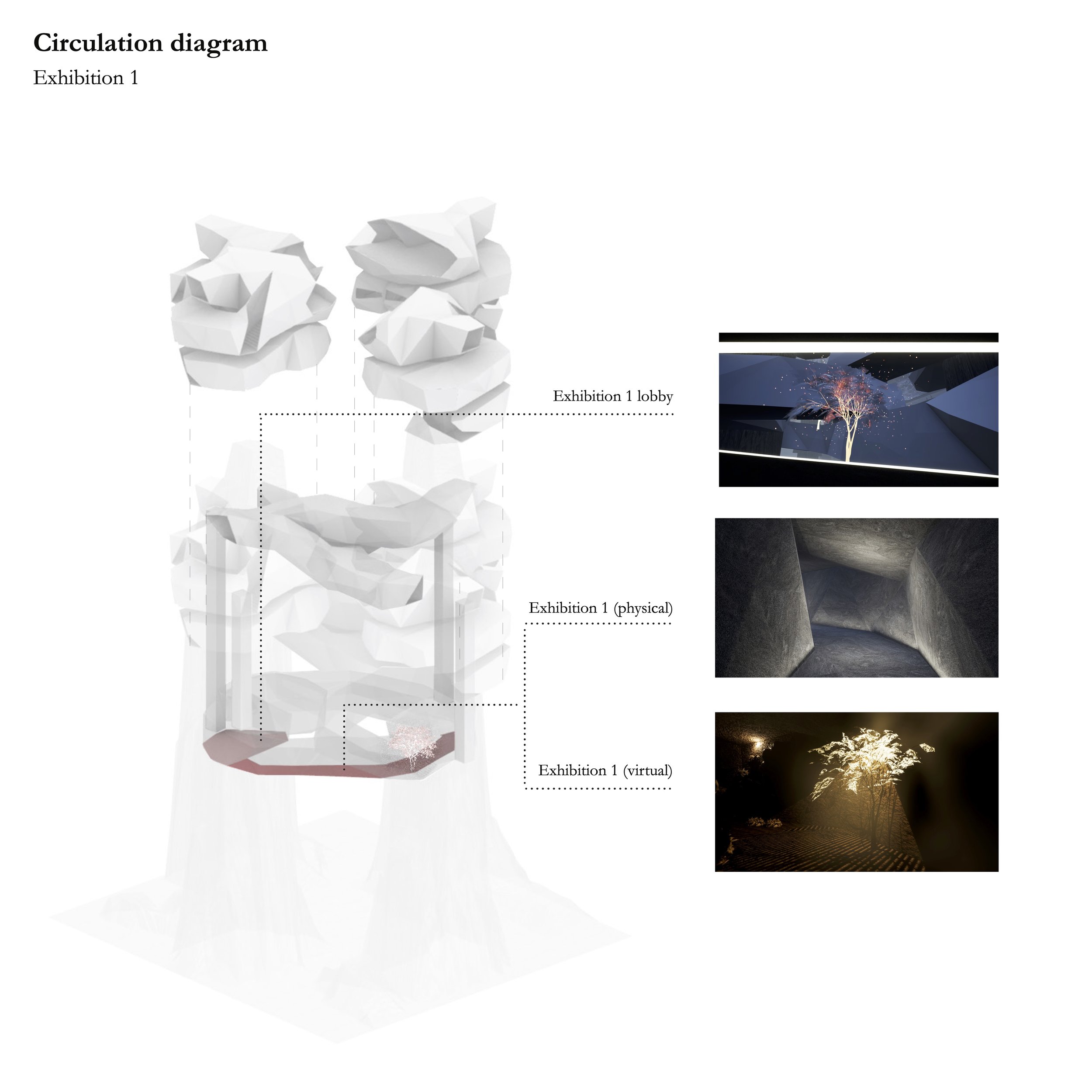
The Healing Museum
by Fera Tandiawan
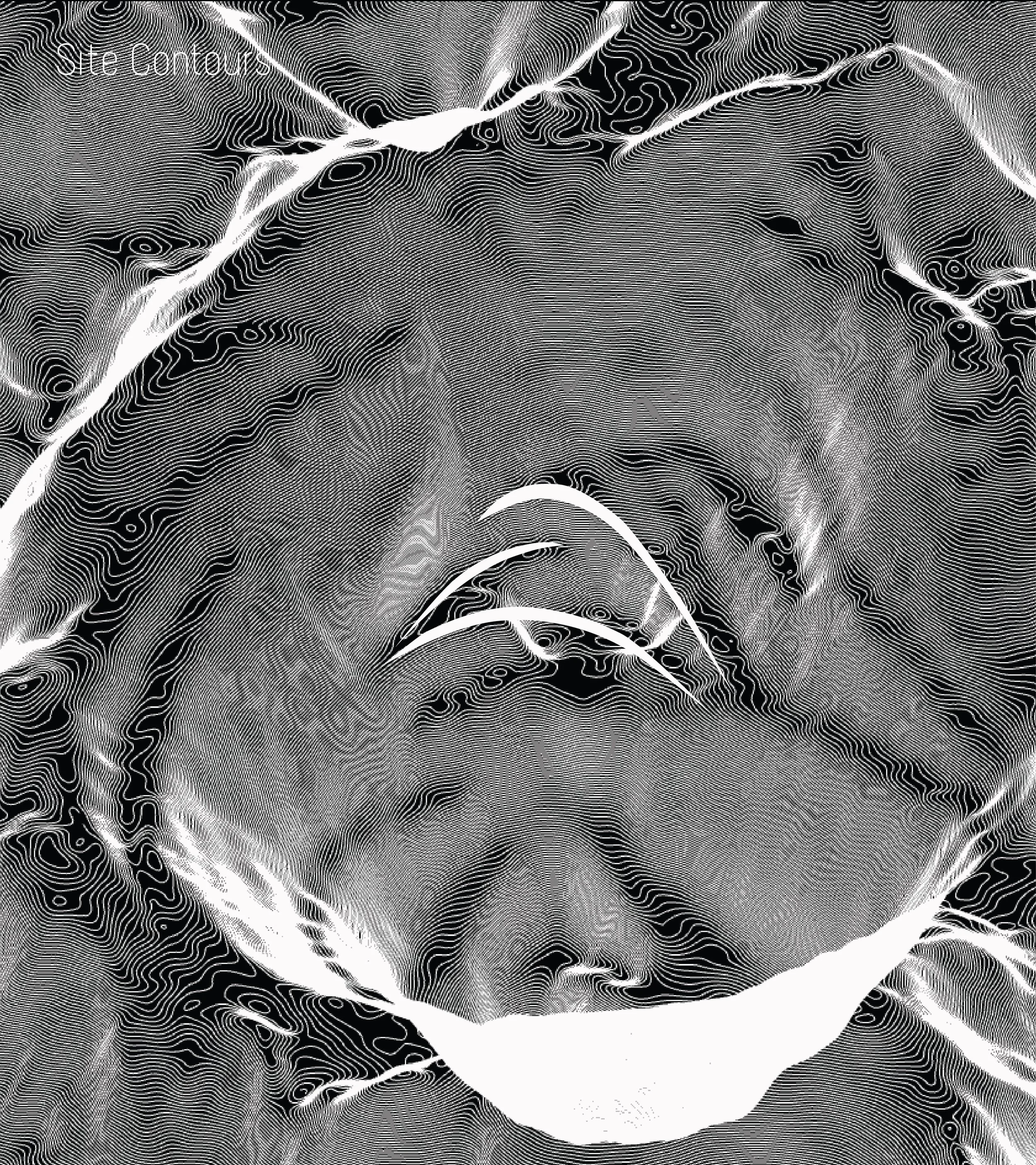
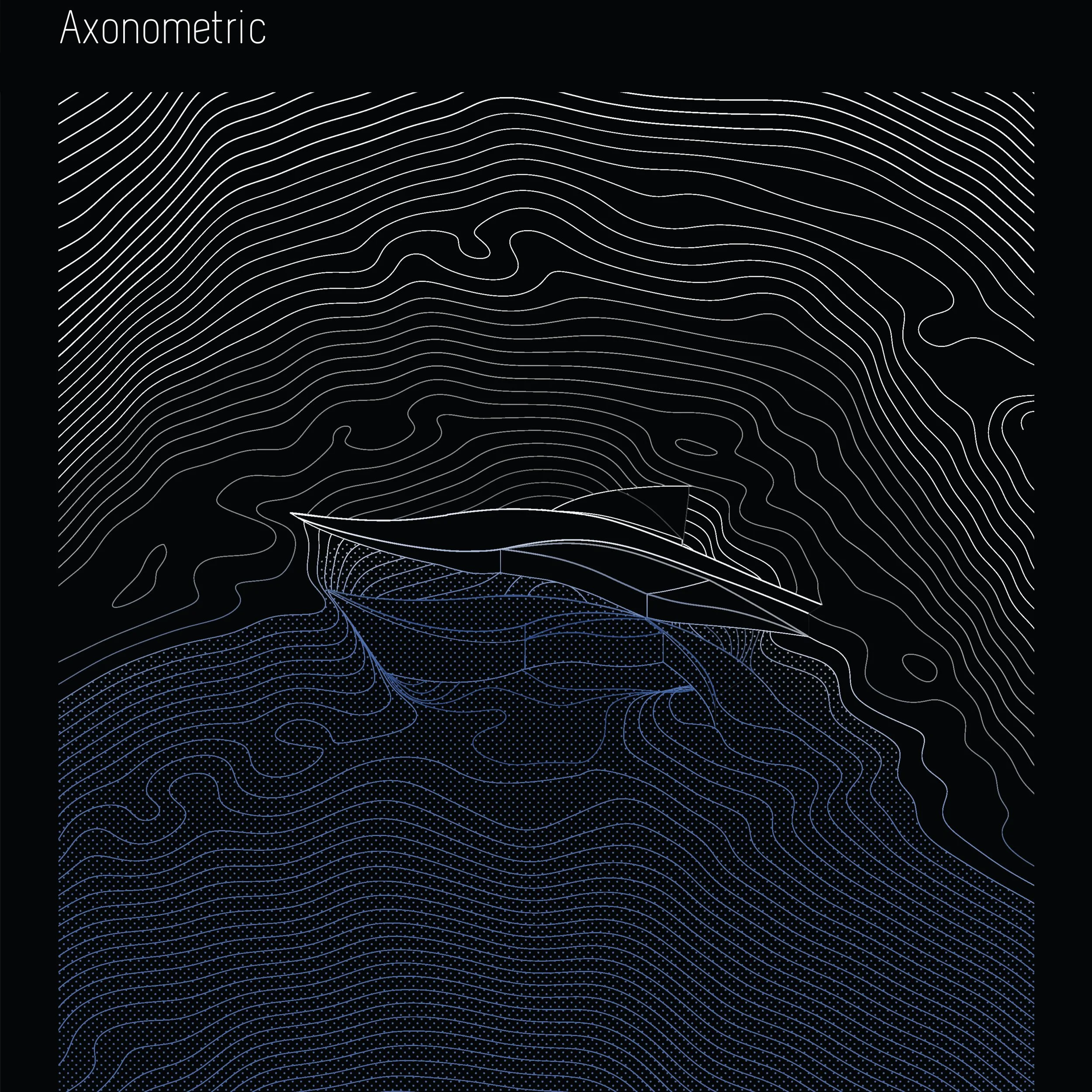
Museum of Anthropocene
by Megan Riri Moktar